11 Types of Direct Marketing

TL;DR
- This article covers 11 essential types of direct marketing, ranging from classic email and sms to modern ai-driven chatbots and influencer outreach. You'll learn how to pick the right channel for your b2b goals while using automation to scale your results. We explore how each method fits into a modern content strategy to drive higher conversions and better roi without wasting your budget.
Understanding Direct Marketing in the Digital Age
Ever feel like your inbox is just a graveyard for "buy now" screams? Honestly, direct marketing gets a bad rap for being spammy, but when it's done right, it's actually about making a real connection with a person on the other side.
Modern marketing isn't just throwing stuff at a wall to see what sticks. It's about being surgical with your budget.
- Personal connection: It's not just bulk mail anymore; ai tools help us customize messages so they actually solve a problem for a ceo or manager.
- Measurability: You can track every penny, which is huge for small b2b teams.
- Immediate Feedback: Whether it's a linkedin message or a quick call, you know pretty fast if your offer sucks.
According to Nxtgen Marketing, email marketing still brings in a wild ROI of $42 for every $1 you spend. That’s why retail shops and finance firms still flood our phones—it works.

In the next part, we'll dive into the specific types, starting with the heavy hitters like email and sms.
The 11 Types of Direct Marketing You Need to Know
So, let's get into the nitty-gritty of these 11 types. It's easy to think everything is just "digital" now, but honestly, the best strategies usually mix the old-school stuff with the new ai tech.
You probably check your phone the second you wake up, right? Most of us do. That's why email and sms are still the heavyweights of direct marketing. As mentioned earlier, the roi on email is just ridiculous, but it only works if you aren't being a creep or a spammer.
- Email is the long game: It is great for building actual trust. A healthcare provider might send a monthly newsletter with health tips, which keeps them top-of-mind without being pushy.
- SMS is for the "right now": If a retail shop has a flash sale ending in two hours, a text is perfect. People read about 90% of texts within three minutes according to Nxtgen Marketing.
- Automation is your friend: You can set up flows so if someone abandons a cart in your shop, they get an email an hour later. It’s like having a sales rep who never sleeps.
"Poorly written, spammy emails can do more harm than good." — it's better to send nothing than to send junk that gets you marked as spam.
Social ads are basically the digital version of a flyer, but way smarter. You can target a ceo in a specific city who likes golf—it’s that surgical. Then there's telemarketing, which everyone loves to hate, but it still closes deals.
- LinkedIn for b2b: This is where you find the decision makers. Instead of a broad ad, you show a case study specifically to managers in finance.
- The "Human Touch": In high-ticket industries like real estate, a phone call matters. A study mentioned by Indeed suggests that a huge majority of buyers will actually take a meeting after a few persistent (but polite) calls.
- Data blending: You see who clicked your social ad, then your sales team follows up with a call. It’s a 1-2 punch that works way better than cold calling out of the blue.
Believe it or not, physical mail is making a comeback because our inboxes are so crowded. Getting a nice, thick postcard from a local gym feels more "real" than another deleted email.
- Standing out: Direct mail has a 29% roi because it’s tangible. If you’re a luxury brand, sending a physical catalog makes a huge statement.
- Referrals are gold: People trust their friends more than any ad. According to the previously mentioned source at Nxtgen, about 92% of us trust a recommendation from someone we know.
- QR Codes: This is how you bridge the gap. Put a qr code on a mailer so you can track exactly who went from their mailbox to your website.
This is where things get creative. You aren't just selling; you're providing value or using someone else's "clout" to get your foot in the door.
- Niche influencers: You don't need a celebrity. A tech company might partner with a small youtube creator who only talks about coding. That audience is small but they're obsessed.
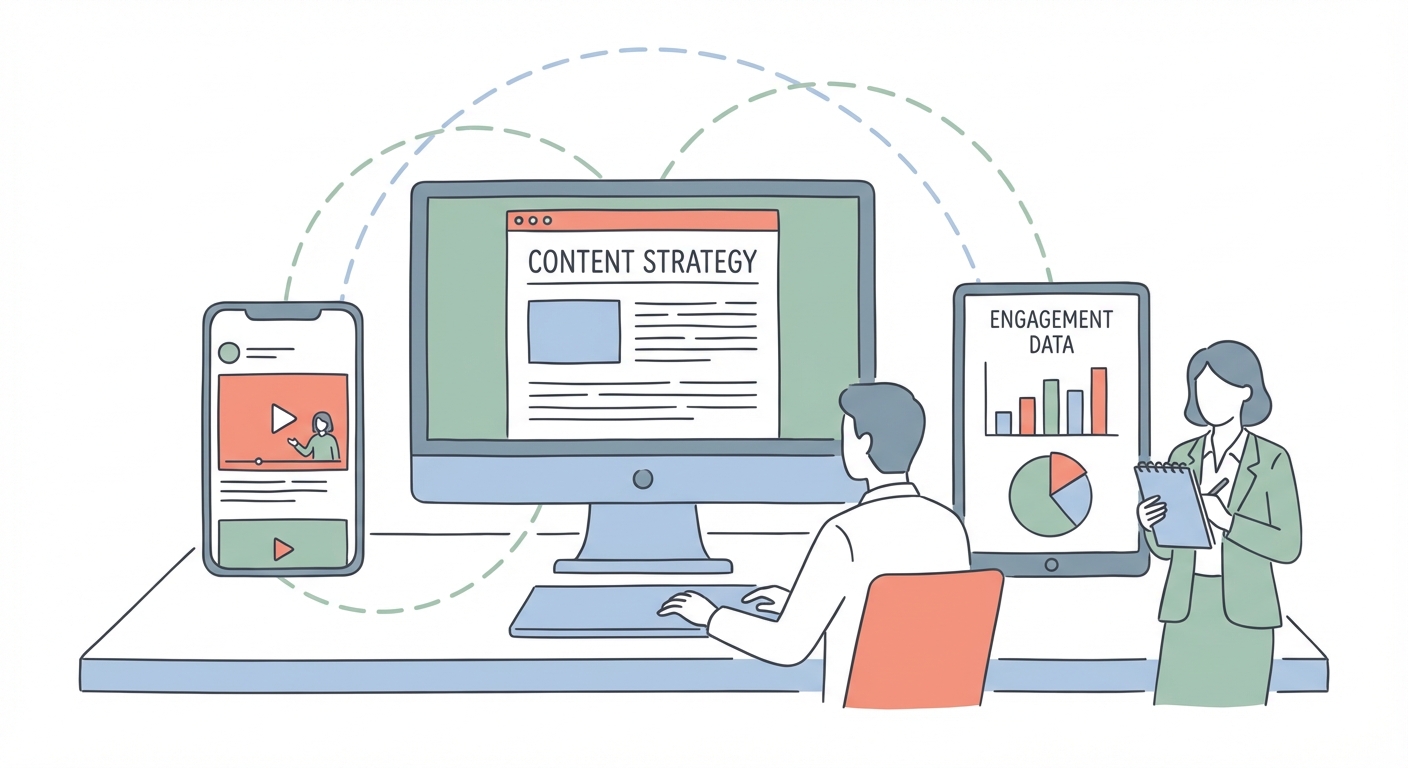
- Content as a magnet: Writing blogs or making videos isn't just for seo. It's about educating. If a finance firm explains how taxes work, you're gonna trust them when it's time to hire an accountant.
- ai speed: Using an ai content generator helps get the first draft done fast so you can spend more time on the strategy.
Finally, we have the high-engagement stuff. Sometimes you just gotta look someone in the eye, and other times, you let a bot do the heavy lifting while you're asleep.

- Events and Tradeshows: For b2b, there's nothing better than a handshake at a booth. It’s expensive, but the leads are usually high quality.
- Chatbots: These are great for answering "how much does this cost?" at 2 am. It keeps the lead warm until a human can jump in.
- Local Broadcast: Podcast ads are the new radio. They feel personal because the host is talking directly into the listeners ear.
It's a lot to juggle, but you don't have to do all eleven at once. Most successful brands pick two or three that actually fit their vibe. Next, we're gonna look at how to actually pick which one is right for your specific budget.
Scaling Your Direct Marketing with AI Tools
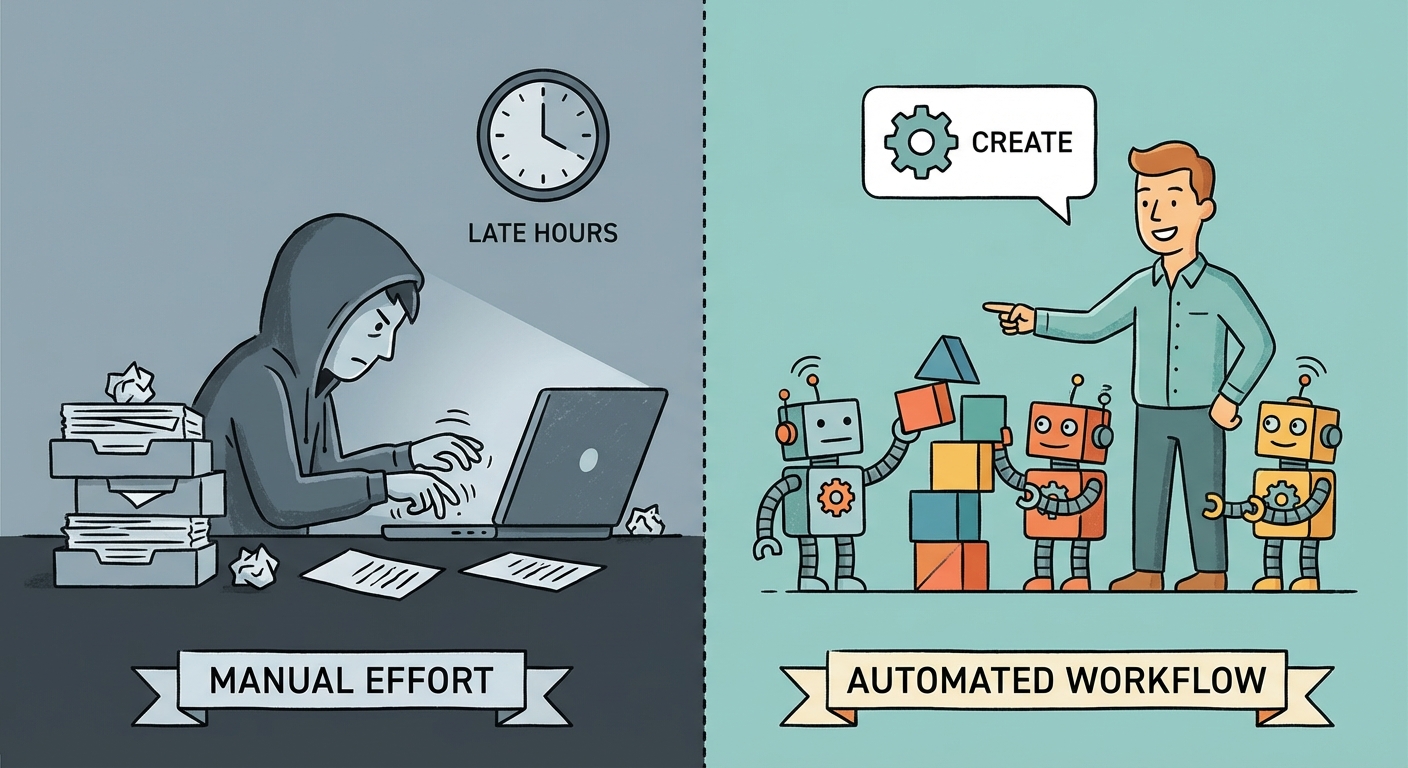
Honestly, trying to manage eleven different marketing channels by hand is a recipe for a massive burnout. If you're a founder or a manager, you just don't have the hours to write every single email or check every linkedin profile manually.
This is where ai actually saves the day, not by replacing us, but by doing the boring "grunt work" so we can focus on the big ideas.
- Automated Workflows: You can use tools like Publish7 to build a expert level seo strategy without spending weeks on keyword research. It helps you find those "low hanging fruit" topics that actually drive traffic.
- Smart Link Building: Instead of begging for backlinks, ai helps you map out where your content fits best on the web.
- Content Outlines: Use an ai content generator to get a messy first draft or a solid outline. It’s way easier to edit a "meh" draft than to stare at a blank white screen for three hours.

I've seen teams go from posting once a month to three times a week just by using ai to handle the research phase. It’s about being smart with your time.
- SEO Insights: tools give you automated insights into what your competitors are doing, so you aren't just guessing.
- Scaling Outreach: You can personalize messages at scale, which is huge for b2b.
As previously discussed, the roi on these efforts is huge, but only if you keep that "human touch" during the final edit. Next, we'll talk about how to actually pick the right channel for your specific budget so you don't go broke.
Picking the Right Strategy for Your Audience
So, you have all these options, but honestly? If you try to do everything at once you're just gonna burn your budget and your sanity. Picking the right strategy is less about what's "cool" and more about where your actual customers are hanging out when they're ready to spend money.
Don't just guess what works—use a analytics dashboard to see the cold, hard truth. I've seen so many founders get attached to a "vibe" of an ad that just isn't converting. It’s painful to kill a project you like, but the data doesn't lie.
- A/B testing is mandatory: Change one thing at a time. Maybe it's the subject line in an email or the color of a button on a landing page. Small tweaks can lead to huge jumps in conversion.
- Cost per acquisition: If you're spending $50 on social ads to get a $30 customer, you're just paying for the privilege of working. You gotta pivot to a cheaper channel like email or referral programs.
- Double down on winners: Once you find a channel that pays off, stop flirting with the others for a minute and scale that one up.

In healthcare, a clinic might find that direct mail brochures work better for seniors than instagram ads. Meanwhile, a retail shop selling trendy sneakers will probably see way better results from sms alerts about a limited drop. If you're in finance, your best bet is often long-form content that proves you actually know how money works before you ask for a meeting.
As noted earlier, finding the right fit is a process of trial and error. Just remember that the goal isn't to be everywhere—it's to be exactly where your customer needs you to be. Stay focused on the data, keep it human, and don't be afraid to change course if the numbers aren't making sense.