Unlock Hyper-Personalization AI Strategies for Marketing Success

TL;DR
- This article covers how AI-driven content personalization reshapes marketing. It includes strategies like personalized product recommendations, AI-powered chatbots, dynamic pricing, and real-time content adaptation. Also it addresses challenges like data privacy and maintaining the human touch, providing a roadmap for marketers to boost engagement and ROI.
The Rise of AI-Powered Personalization in Marketing
Alright, let's dive into the world of ai-powered personalization. Ever wonder why some ads just get you? That's probably not an accident, and it's definitely where marketing is headed.
- Consumers basically expect tailored experiences these days. (Four in 10 Consumers Now Expect Personalized Marketing ...) As ibm notes that a whopping 71% of consumers expect companies to deliver personalized content. (AI Personalization) Aint nobody got time for irrelevant stuff.
- Irrelevant content is a HUGE turn-off. Like, almost half of us get frustrated when content ain't relevant. (New Global Study Reveals Consumers Demand More ...) Talk about a waste of marketing dollars!
- And it impacts loyalty, big time. You feel more connected to brands that get you, right?
Traditional personalization just doesn't scale, ya know? AI is like the superhero swooping in to save the day.
- AI can analyze tons of data in real-time. We talkin' browsing history, purchase history, location, the whole shebang.
- Generative ai can even create bespoke content on the fly. Imagine AI writing personalized ad copy just for you! We're talking about using customer data to inform the AI's output, making it genuinely tailored.

So, how does this all translate into real-world applications? Let's take a look at some specific examples to make this more concrete. We'll explore how AI-driven personalization is implemented in different industries and the benefits it brings.
Core Applications of AI in Content Personalization
AI is making content personalization way more achievable, right? But what does that actually look like in practice? Let's break down some core applications.
- Personalized product recommendations: This is a big one and you see it everywhere. ai analyzes your browsing and purchase history to suggest stuff you might actually want. It's all about boosting that average order value and making you click "add to cart."
- AI-powered chatbots for better support: Forget those old, clunky chatbots. We're talking Natural Language Processing (NLP) and user data so the chatbot knows what you're really asking. NLP helps understand user intent, leading to shorter wait times and happier customers.
- Intelligent content customization: This is where it gets cool. Generative algorithms can tweak copy and imagery to match your interests. You're seeing content that's actually relevant to you in real-time. Think website banners, email subject lines, and product descriptions being customized.
Think about those "recommended for you" sections on streaming services. That's ai at work, trying to keep you hooked on the next binge-worthy show. Or consider a retailer sending you an email with products tailored to your past purchases; as bloomreach notes, this can increase customer engagement.

You know, we gotta talk about the "creepy" factor. It's a fine line between personalized and invasive. Transparency is key! Users need to understand how their data is being used. For example, "creepy" personalization might involve ads for something you only whispered about. Transparency means clear opt-in processes and easily accessible data usage policies.
So, that's just a taste of what ai can do for content personalization.
Data-Driven Impact Quantifying the Benefits
Want to know the real deal about ai in marketing? It's not just buzzwords – it's about cold, hard numbers. Let's dive into how ai-powered personalization can seriously boost your bottom line.
- Higher ROI? you betcha! Marketers using ai personalization are seeing an average 25% increase in marketing roi. This lift is often driven by strategies like personalized email campaigns and dynamic website content.
- Sales are up, up, up! Companies rocking ai-driven personalization are experiencing around a 20% jump in sales. This statistic comes from general industry reports on AI adoption in e-commerce.
- Engagement on steroids: ai personalization can lead to double the customer engagement rates. People are way more likely to pay attention when content is actually relevant to them, go figure. This is often measured by metrics like click-through rates and time on page.

Consider e-commerce sites using "customers also bought" sections. These ai-powered product recommendations drive up average order values, that is the goal, right? Or think about targeted email campaigns; bloomreach notes these can seriously boost customer engagement.
So, ai ain't just a fancy toy; its a serious tool for driving results.
Strategic Benefits Beyond the Metrics
Alright, let's get into how ai can give you more than just some boring numbers, ya know? It's about the bigger picture and how it changes things up!
- Deeper Customer Loyalty: Personalization, it's almost like a service you're providing. When you "get" your customers, they feel it. AI-driven personalization fosters this emotional connection by consistently delivering relevant and helpful experiences, making customers feel understood and valued. That's how you build real emotional loyalty, not just transactional stuff. And loyal customers? are worth way more in the long run, think "Customer Lifetime Value" (CLV).
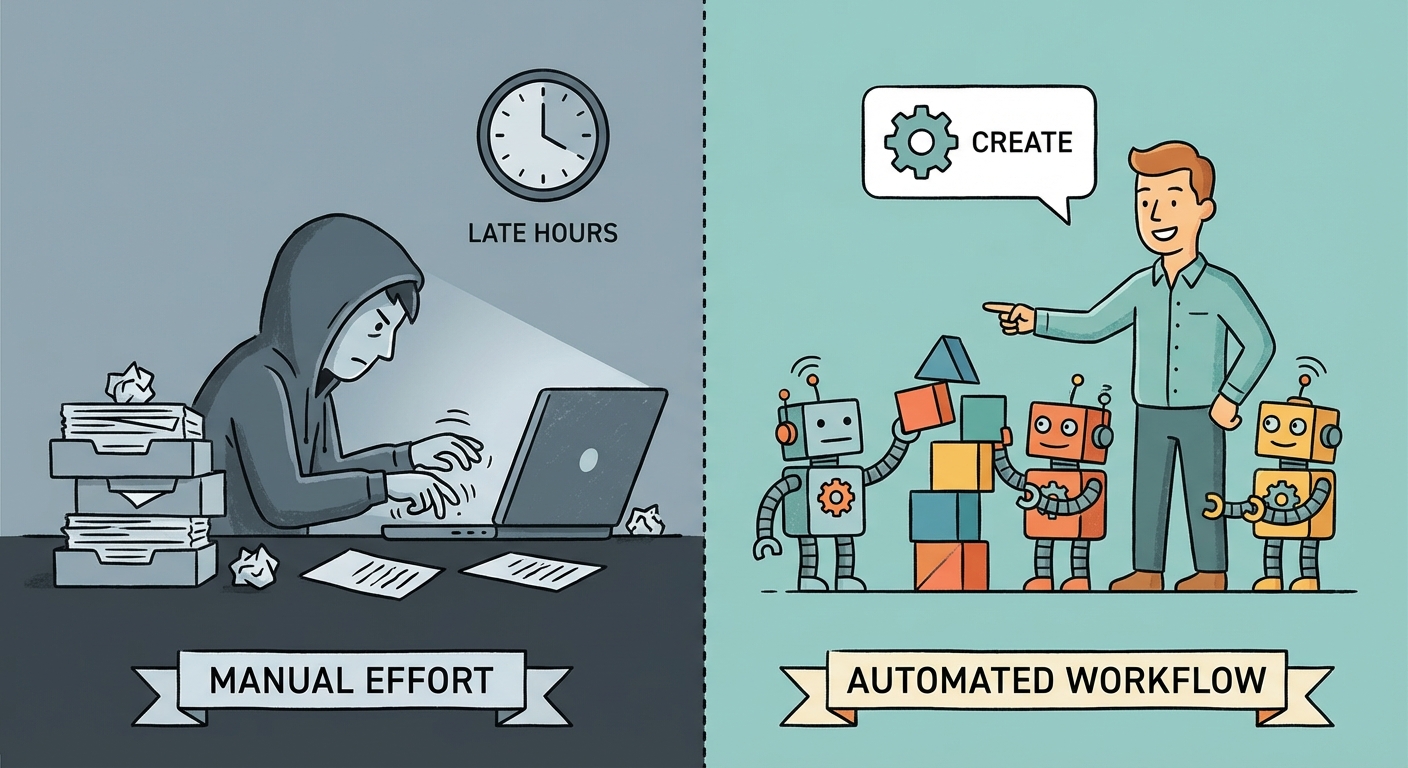
- Enhanced Marketing Efficiency: AI can automate a lot of the targeting and content creation. This includes tasks like segmenting audiences based on behavior, generating ad variations, and optimizing campaign schedules. that's less time spent on manual stuff! Plus, you can lower those crazy customer acquisition costs. Even creative production costs will go down; that means more money in your pocket, isn't it?
- Real-Time Adaptability and Agility: With AI, you're not stuck with a plan from like, last month. You can optimize offers on the fly, respond to market changes instantly, and get a strategic edge over the competition. For example, if a competitor launches a surprise sale, AI can automatically adjust your pricing or promotional offers. it's like having a superpower, isnt it?
Think about it: a retailer that changes product displays based on weather forecasts? That's ai making things relevant in real-time!
So, how does all this lead to stronger customer relationships?
Implementation Considerations and Best Practices
So, you're thinking about putting ai to work, huh? Well, hold on a sec, there are some things you just gotta think about first. It's not all sunshine and rainbows, ya know?
First thing's first: data. You need good data, lots of it. You wanna grab all that first-party data you can get your hands on and get it all in one place. Think customer demographics, what they're clicking on, what they're buying - the whole shebang. Also, data quality is important, so that you don't have inaccurate data. "Good data" means it's accurate, complete, consistent, and up-to-date.
Then there's the whole privacy thing. You really don't want to mess this up. With GDPR and CCPA breathing down your neck, you gotta make sure you're doing things the right way. Get consent, be transparent, and anonymize data whenever you can.
Now, let's talk tech. You can't just throw ai at your existing systems and expect magic. It's gonna take come integration. Gotta get those data platforms talking to your ai engines. You are going to want something that works in real-time so you can adapt quickly. Common integration challenges include legacy systems, data silos, and ensuring seamless data flow. Solutions often involve APIs and middleware.
A modular, api-driven approach is always a good idea. Makes everything way more flexible.

This is a very basic example of how the api connects everything.
So, ai can write content. Cool, right? Well, you still need to, like, manage it. Generative ai is great for making variations, but you need some guardrails to make sure it says on-brand. Examples of guardrails include pre-approved keyword lists, tone-of-voice guidelines, and content review workflows.
Don't forget review processes, too. You don't want ai going rogue and saying something crazy.
Here's the thing, ai ain't gonna run itself. Your marketing teams gota learn how to use it. That means upskilling in data analytics and, well, ai. This includes understanding AI outputs, prompt engineering, and data interpretation.
And it's not just a marketing thing, cross-functional collaboration is key. You need everyone working together. Key cross-functional teams include sales, product development, and customer support. Plus, adopt a test-and-learn mindset. AI is all about experimentation, isn't it?
Now, with all those things in mind, you're ready to start thinking about the ethical side of things.
Elevate Your Content Strategy with Publish7's AI Tools
Personalizing content is tough, right? You gotta make it stand out. Let's see how Publish7 can help you achieve this, so your content actually gets seen.
- Use Publish7's Backlink Ideas Generator; this boosts your content SEO. More eyes on your stuff, ya know? This tool helps identify relevant backlinks, indirectly contributing to personalization by increasing content visibility to the right audience.
- UX Review makes sure your content hits home with your audience. It maximizes engagement and make sure your content resonates. This helps ensure the personalized content is presented in a user-friendly way, enhancing the overall experience.
- Need fresh ideas? The Blog Topic Ideas Generator is there for you. This tool can help generate topics that align with audience interests, a foundational step for personalization.
Future Trends and the Evolution of AI Personalization
Alright, so what's next for ai and personalization? It's not just about what's working now, but where things are headed!
- Generative AI is gonna be huge, letting us automate content creation and personalize like crazy. Imagine bespoke content for everyone! Generative AI will enable deeper personalization by creating unique content variations for individual users in real-time, going beyond simple template fills.
- We gotta keep it ethical, though. Addressing algorithmic bias and making sure users have control is really important; it's about building trust, ya know? Examples of algorithmic bias include showing certain job ads only to men. User control means providing clear options to manage data preferences and opt-out of personalization.
- It's all about responsible ai, not just fancy tech.