Exploring the 5 C's of Content Marketing


TL;DR
- This article covers the essential framework of the 5 C's—Context, Content, Connection, Community, and Conversion—to help you scale your marketing efforts. We explore how ai writing assistants and automated workflows can streamline your content calendar and product listings. You will learn practical ways to use analytics dashboards for better seo optimization and organic growth.
The First C: Context and Why it matters for ai
Ever wonder why a perfectly written blog post sometimes just... falls flat? It's usually because the writer forgot that content without context is basically just noise in a crowded room.
Honestly, keywords are fine but they don't tell the whole story. If you're writing for a healthcare pro, your tone needs to be way different than if you're hitting up a retail buyer looking for sneakers. Most ai tools today can help you dig into these niches early on, but you gotta feed them the right "who" and "why" first.
This is where a ux review comes in handy—it’s basically just using ai to scan your page and see if the layout and tone actually fits what your audience expects. It helps you see if the stage you set actually makes sense for the human on the other side of the screen.

In finance, for instance, context means knowing if your reader is a stressed-out student or a seasoned ceo. One needs a "how-to," the other wants a high-level summary. If your ai doesn't know the difference, the output will be generic and boring.
73% of customers expect companies to understand their unique needs, according to Salesforce research from 2023.
Anyway, once you get the vibe right, you need to actually make something. Next up is the Second C: Creation.
Content: Creating Value with Writing Assistants
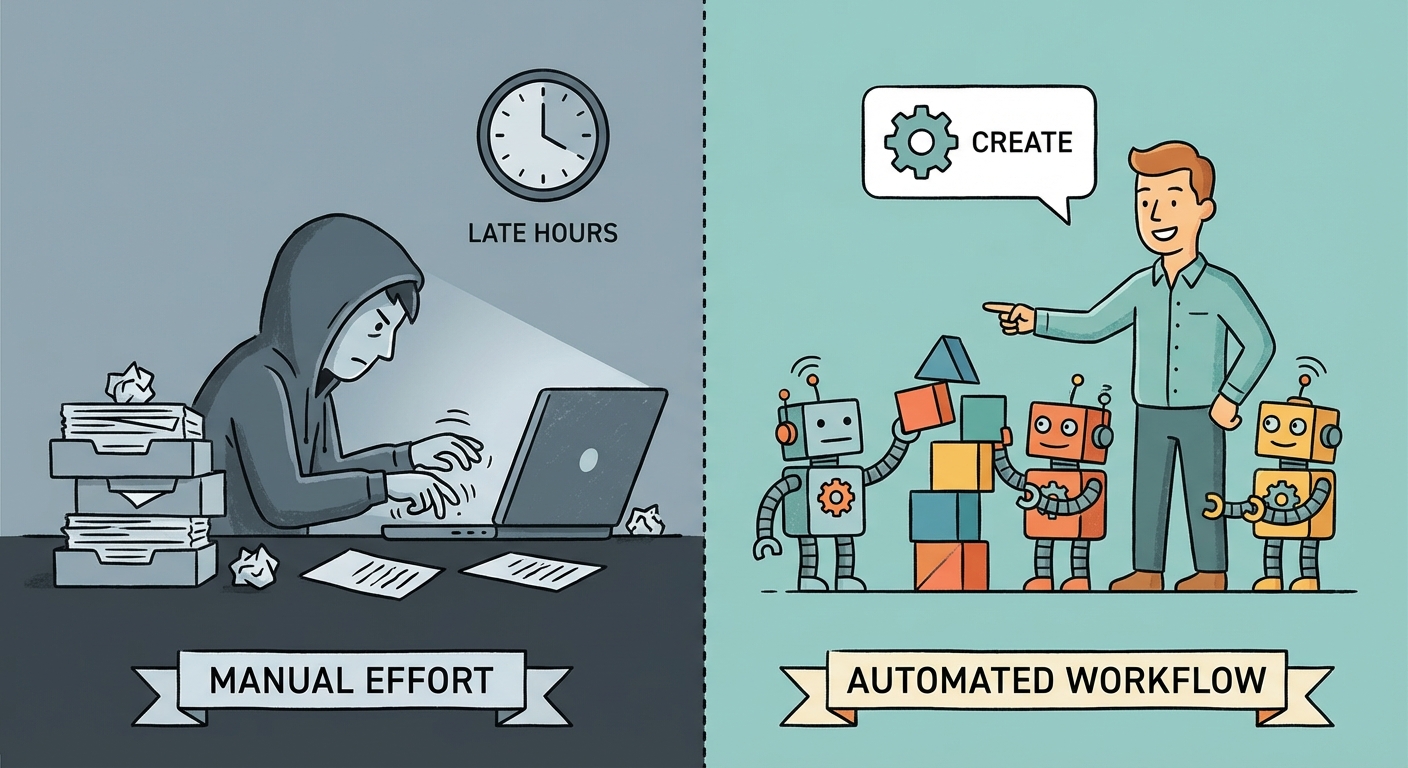
So you've got your context down, but now comes the hard part—actually staring at that blinking cursor. Honestly, we've all been there, and it’s why using an ai assistant to scale things up is such a game changer for content creation.
I've seen so many bloggers burn out trying to hit a daily schedule (22 ways to avoid blogger burnout (and get your blogging mojo back!)), but a platform like Publish7 basically act like a co-pilot for your seo content strategy. It isn't just about spinning words; it’s about building a workflow that doesn't eat your whole weekend.
- Topic Discovery: Instead of guessing what people want, use the tool to find high-intent topics that actually rank in your niche.
- Workflow Automation: You can move from a rough idea to a structured outline in minutes, which is great for keeping a content calendar on track.
- Outlining at Scale: In healthcare, for example, you might need ten different posts on "wellness tips"—ai helps you structure each one so they don't all sound the same.

There is a huge difference between writing a 2,000-word deep dive and a product listing. If you're in retail, your listing needs to be punchy and hit those specific specs, while a blog is more about the story.
In finance, keeping a human touch is vital because nobody wants to take investment advice from a robot that sounds like a manual. Use copywriting tools to get the bones right, then go in and add that "real person" vibe.
Anyway, once you've created all this great stuff, you gotta make sure people actually see it. That's where the Third C: Connection comes in.
Connection: Reaching the Right Inbox and Feed
Getting your content out there is honestly like trying to shout in a crowded stadium—everyone’s screaming, and most people are just looking at their phones. If you don't connect with the right inbox or feed, all that hard work you did in the creation phase is basically just taking up space on a server.
I've found that using an email assistant to personalize outreach is the only way to not get marked as spam immediately. It’s not about blasting thousands of people; it’s about making sure your social media creator tools are actually talking to humans.
- Email Personalization: Many modern outreach tools have built-in api integrations that automatically pull in recent news about a lead. If a finance firm just won an award, the tool finds it and mentions it—don't just ask for a link.
- Multi-language Support: If you’re targeting retail markets in Europe, your social media creator needs to handle local slang, not just a literal translation.
- Strategic Link Building: Real connection happens when you provide value first. Share their stuff before you ever ask them to share yours.

A 2023 study by Backlinko found that personalized emails have a 32.7% higher response rate than generic ones. (We Analyzed 12 Million Outreach Emails. Here's What We Learned)
In healthcare, for instance, you can't just post a link and ghost. You gotta engage in the comments to build trust. Honestly, if you aren't replying to people, why are you even on social?
Anyway, once you've made those connections, you need to keep the conversation going. That brings us to the Fourth C: Community.
Community: Building Trust through Consistency
Ever feel like you’re just shouting into a void and nobody is actually listening? Building a community isn't about how many followers you have, it's about showing up when you said you would so people actually trust what you say.
Honestly, if you post five times a week then vanish for a month, you're killing your vibe. Consistency is the glue here. It’s better to post once a week forever than to burn out in a fortnight.
- Feedback Loops: Use ai to summarize common questions in your comments. If everyone in your finance group is asking about taxes, make that your next post.
- User-Generated Content: Encourage your fans to share their own stories. In retail, reposting a customer’s photo builds way more trust than any ad you could run.
- Engagement Loops: Don't just post and run. Set aside twenty minutes to reply to comments. In healthcare, answering a simple question can turn a random visitor into a loyal community member.

A 2023 report by Sprout Social found that 68% of consumers want brands to help bring people together. It's not just about the product; it's about the space you create around it.
Anyway, once people trust you, they're way more likely to actually buy something. That leads us to the Fifth C: Conversion.
Conversion: Turning Traffic into Revenue
So, you’ve done the hard work—got the context right, built the content, and even made a few friends in the comments. But honestly, if nobody is actually clicking "buy" or signing up for your newsletter, you just have an expensive hobby, not a business.
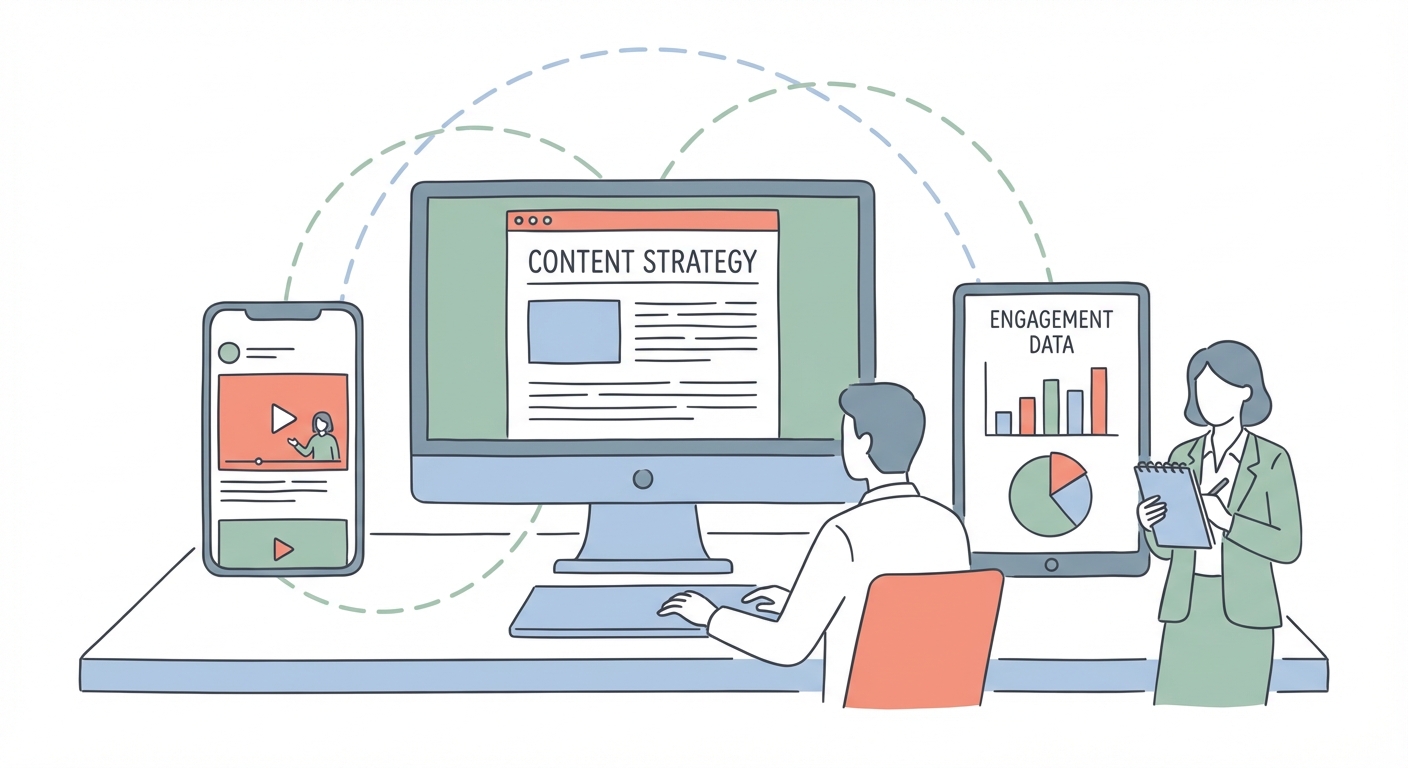
Conversion is where the rubber meets the road. I’ve seen so many retail founders get distracted by "likes," but your analytics dashboard is the only place that tells the truth about whether your copywriting tools are actually working.
- Tracking Growth: Don't just look at total hits. Check where people drop off. If they read your finance blog but leave before the CTA, your "ask" is probably too weak or too early.
- Copy Impact: Sometimes changing one word in a product listing can spike sales. Use your data to see if "Get Started" beats "Join Now" in your specific niche.
- Strategy Pivots: If the data shows your healthcare whitepaper isn't converting, stop making them. Use that time for workflow automation instead to fix your email funnel.

According to adobe, the average conversion rate for e-commerce is often around 2-3%, so don't freak out if your numbers look small at first. It's about steady content optimization.
Anyway, look—marketing is messy. Use these 5 C's as a map, but don't be afraid to take a detour when the data tells you to. Good luck out there.