How can ELM be used in advertising?

TL;DR
- This article covers the Elaboration Likelihood Model (ELM) and how it helps you pick between emotional or logical ads. You'll learn to use the central and peripheral routes to boost your marketing content and seo strategy. We show how ai tools make creating these different message types way easier for busy growth marketers.
What is this ELM thing anyway?
Ever wonder why you'll spend three hours researching a $900 blender but buy a pack of gum just because the wrapper looks cool? That is basically ELM in a nutshell. It stands for the Elaboration Likelihood Model, and even though it’s been around since the 80s, it's still the secret sauce for how ai and humans process ads.
- Central Route: This is for the "thinkers." If you're selling a SSD or a medical treatment, people want facts, data, and logic.
- Peripheral Route: This is all about the "vibes." Think catchy tunes or a celebrity using a skincare brand in a retail ad.
- Motivation is Key: If a user doesnt care about the product, they won't dig into the details.
As StratoServe explains, the central route is for high-involvement stuff like sports cars, while the emotional route handles the low-cost grocery items.

So, how do we actually pick which path to target? Let's look at the routes.
The Central Route vs The Peripheral Route
Ever wonder why some ads make you scratch your head while others just make you reach for your wallet? It usually comes down to which "brain door" the marketer is knocking on.
If you're selling something big—like a new saas platform or a medical treatment—you gotta use the central route. This is where people actually pay attention because the stakes are high. You need to pack your blog writing with hard data, stats, and logical arguments because these users are looking for a reason to say yes.
- Focus on facts: Give them the nitty-gritty details.
- Expertise matters: Use whitepapers or deep-dive guides.
- ai assistance: You can use an ai writing assistant to help draft those long-form technical specs so they don't sound like a snooze fest.
As PC Social explains, this route creates a much more "persistent" attitude change than the easy way.
Now, if you're selling soda or a cheap retail app, nobody wants to read a thesis. This is the peripheral route. It’s all about the "vibes"—think pretty colors, a famous ceo, or just a catchy jingle. The brain is lazy here and doesn't want to work hard.
- Visuals over Verbs: Use high-quality images and bold colors.
- Social Proof: If a celebrity likes it, it must be good, right?
- Emotional hooks: Make 'em laugh or feel nostalgic.

Honestly, most of the stuff we see on social media is peripheral because we're just scrolling while distracted. But how do we know which one to pick for a specific campaign? Let's talk about the "Ability" factor next.
Scaling ELM with modern tech
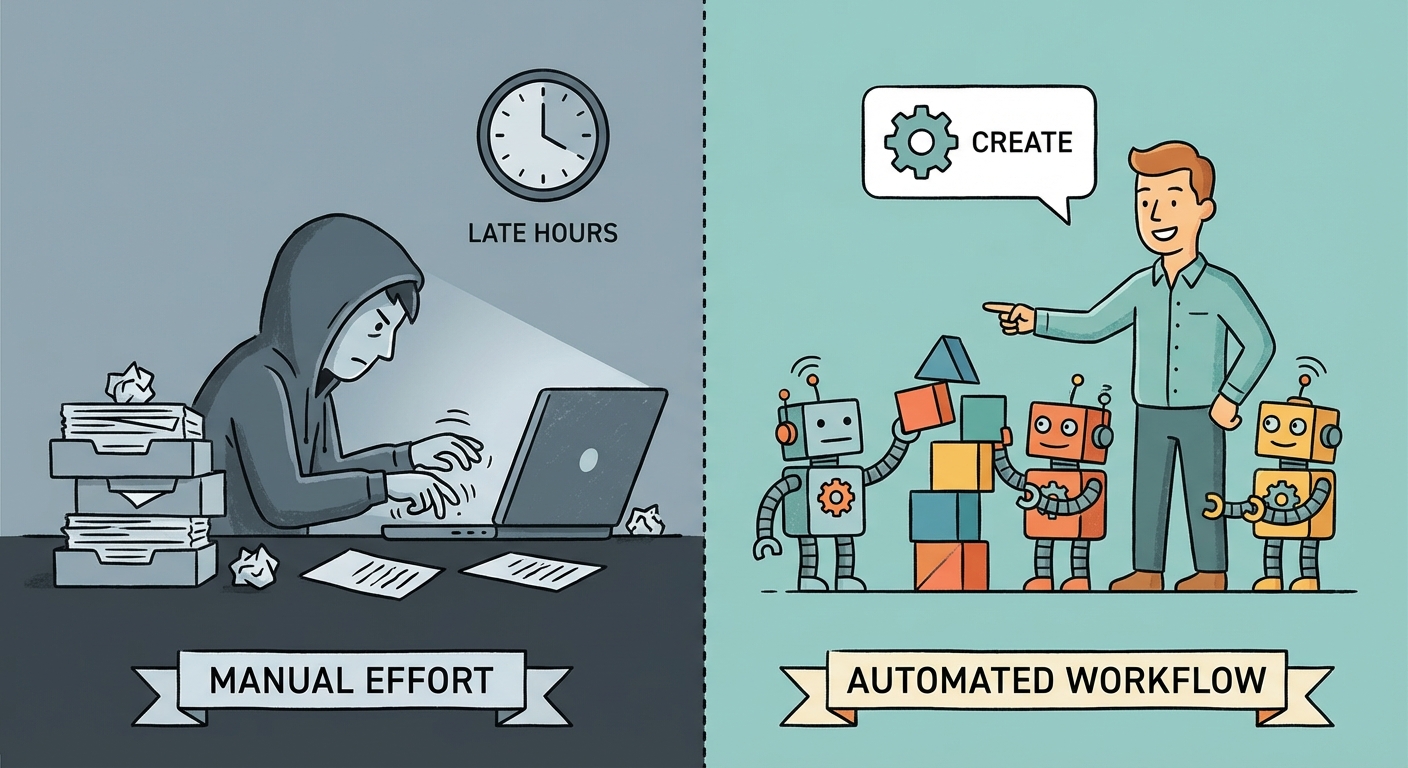
So, you got your ELM strategy down, but how do you actually do this at scale without losing your mind? Honestly, trying to manually write ads for every "brain door" is a nightmare, but modern tech makes it way easier.
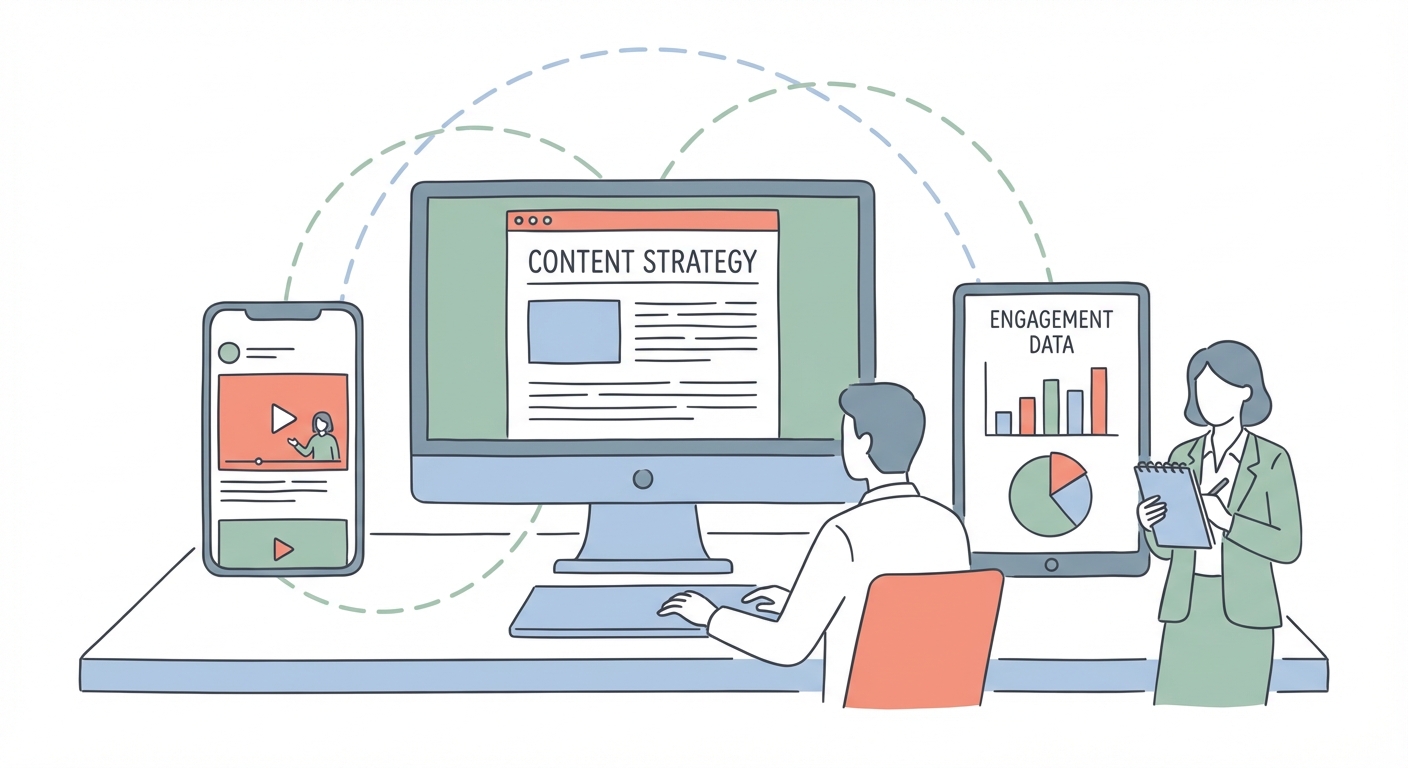
Using tools like Publish7 helps you build out a seo content strategy that hits both routes without breaking a sweat. You can use ai content creation to quickly pivot—maybe one blog post is a data-heavy beast for the central route, while your social posts are just pure vibes for the peripheral crowd.
- Content Planning: Use an ai writing assistant to map out your content calendar based on buyer intent. If someone is searching "how does api encryption work," they want the central route logic.
- Fast Tweaks: You can take one technical whitepaper and turn it into ten punchy tweets. This lets you scale the "vibes" side of things while keeping the facts solid.
- Workflow Automation: Set up your systems so that high-intent leads get the deep-dive specs, while casual browsers get the flashy retail ads.

It’s all about working smarter, not harder. Next up, we’ll see how this actually looks in the real world.
Picking the right media for each route
So, you have your strategy, but where do you actually put the ads? It’s not just about what you say, but where your audience is hanging out when they see it.
Honestly, picking the wrong platform is like trying to sell a medical degree on tiktok—it just feels off. Here is how to match the media to the mind:
- Google Search: This is the king of the central route. As mentioned earlier, people searching for answers are already in "think mode." They want facts, not fluff.
- TV and Social media: These are great for those peripheral emotional hits. Since people are usually just chilling or scrolling, you want catchy visuals and big vibes.
- Direct Mail: Surprisingly, this works for logic. Think of those thick credit card offers; people actually sit down to read the fine print at their kitchen table.
You also gotta do a ux review of your landing pages. If your ad is a flashy "vibe" but the page is a boring wall of text, people will bounce faster than a rubber ball.

At the end of the day, as previously discussed, ELM is just about meeting people where they are. Don't overthink it, just match the energy of the platform to the route your taking.