How Does Content Marketing Support Digital Marketing?

TL;DR
- This article covers the critical relationship between content and digital strategies, showing how they work together for organic growth. We explore the 3Es of marketing—Engage, Equip, Empower—and look at the new 40/40/20 rule for the digital age. You will learn how content fuel channels like email, social, and seo while driving higher conversion rates and brand authority through consistent value.
The Foundation of Content in the Digital Space
Ever wondered why some digital ads feel like a total waste of money while others just... work? Honestly, it usually comes down to whether there is any actual substance behind the click.
Think of digital marketing as the "pipes" of your business—the emails, the social feeds, and the search engines. But content? Content is the water. Without it, you are just looking at a bunch of dry plumbing. In a 2024 article by ReminderMedia, they explain that content is what actually drives audience retention and builds that authority we're all chasing.
Digital marketing used to be about the 4Ps (Product, Price, Place, Promotion), but things have shifted. Now, we have to talk about Persona. If you don't know who you are talking to, your AI-driven ads won't land.
- Value over noise: Most ads lack the "why." Content provides the actual value that makes someone stay on your page for more than two seconds.
- The Trust Factor: To build a reputation, you need trust. According to the Alacrity Foundation, the "Trust Factor" is a simple formula: Trust (T) = Reliability (R) + Delight (D).
- The 3 Es: Beyond trust, you need a framework to move people. You gotta Engage by starting real conversations on places like Twitter. Then, you Equip your fans with media—like how Apple lets rumors "equip" their fans to talk—and finally, you Empower them to share their own stories.

So, if content is the foundation, how do we actually map it to the buyer's journey? Let's look at how this impacts your bottom line next.
How Content Fuels Specific Digital Channels
Ever feel like you're shouting into a void with your marketing? It's probably because your "pipes" are empty, and honestly, without good content, your digital channels are just expensive decorations. To make it work, you have to match the content to where the person is at in their journey.
| Channel | Journey Stage | Content Type |
|---|---|---|
| Google (SEO) | Awareness | Educational blogs, "How-to" guides |
| Social Media | Awareness / Consideration | Short videos, user stories, polls |
| Email Marketing | Consideration / Decision | Case studies, webinars, personalized offers |
Google is basically a giant bookworm that needs high-quality text to understand what the heck your site is about. If you aren't feeding it specific keywords and "clustering" your topics, you're going to stay buried on page ten.
- Long-tail wins: Blog writing helps you show up for those weirdly specific questions people type at 2 AM.
- Context is king: It isn't just about stuffing words; it's about answering the "intent" behind the search.

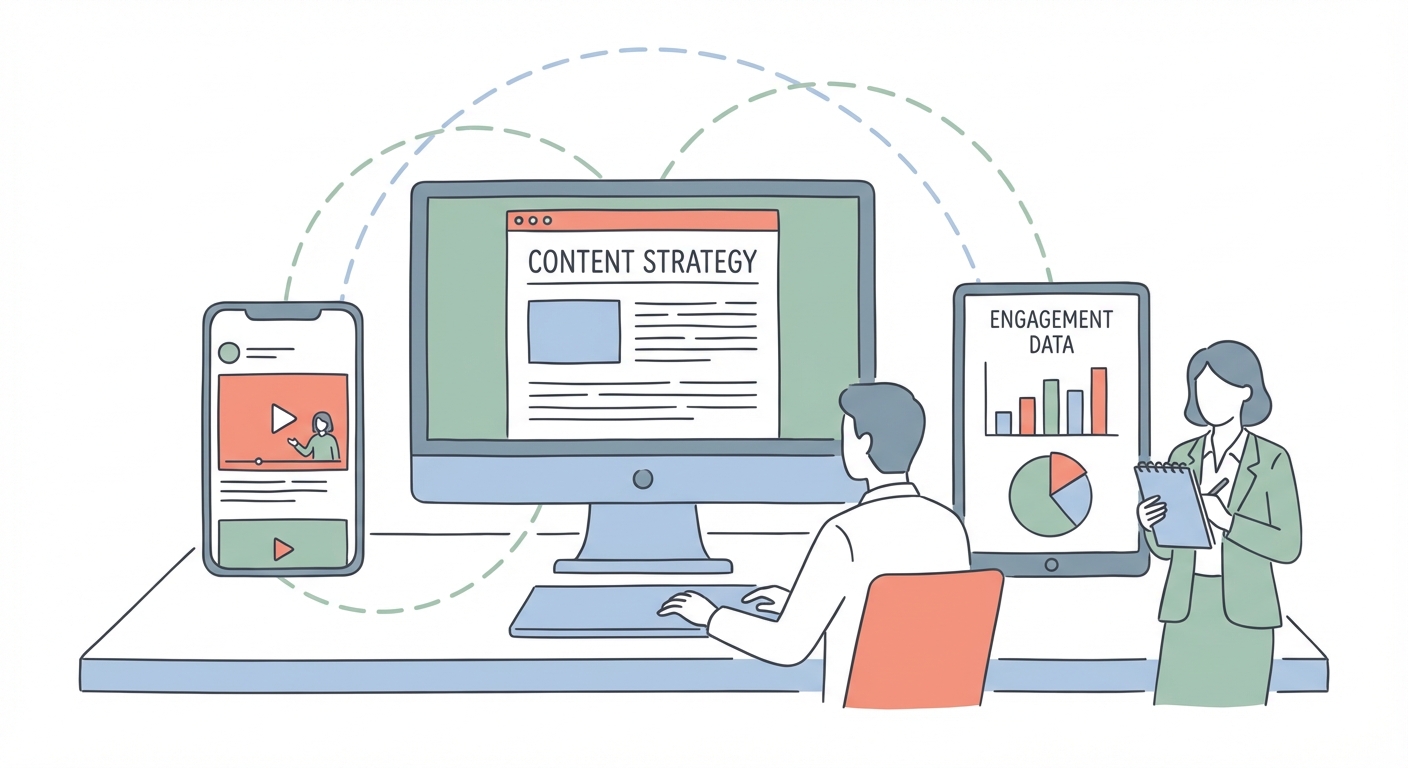
Social Media isn't really a "strategy" on its own—it is just a distribution channel for stories. I see so many founders burn out trying to make unique stuff for every platform, but the pros just repurpose long-form blogs into short snippets.
Email is where the real money is, but only if you use content to move people down the funnel. Personalized emails based on user data (like what they clicked on last week) beat generic blast emails every time.
According to Tendo Communications, the "offer" actually only accounts for about 10% of a modern campaign's success. This is a big shift from old rules, but in the digital age, the audience and the creative message do the heavy lifting.
Next, we'll explore how to scale these efforts without losing your mind.
Scaling with AI and Automation Tools
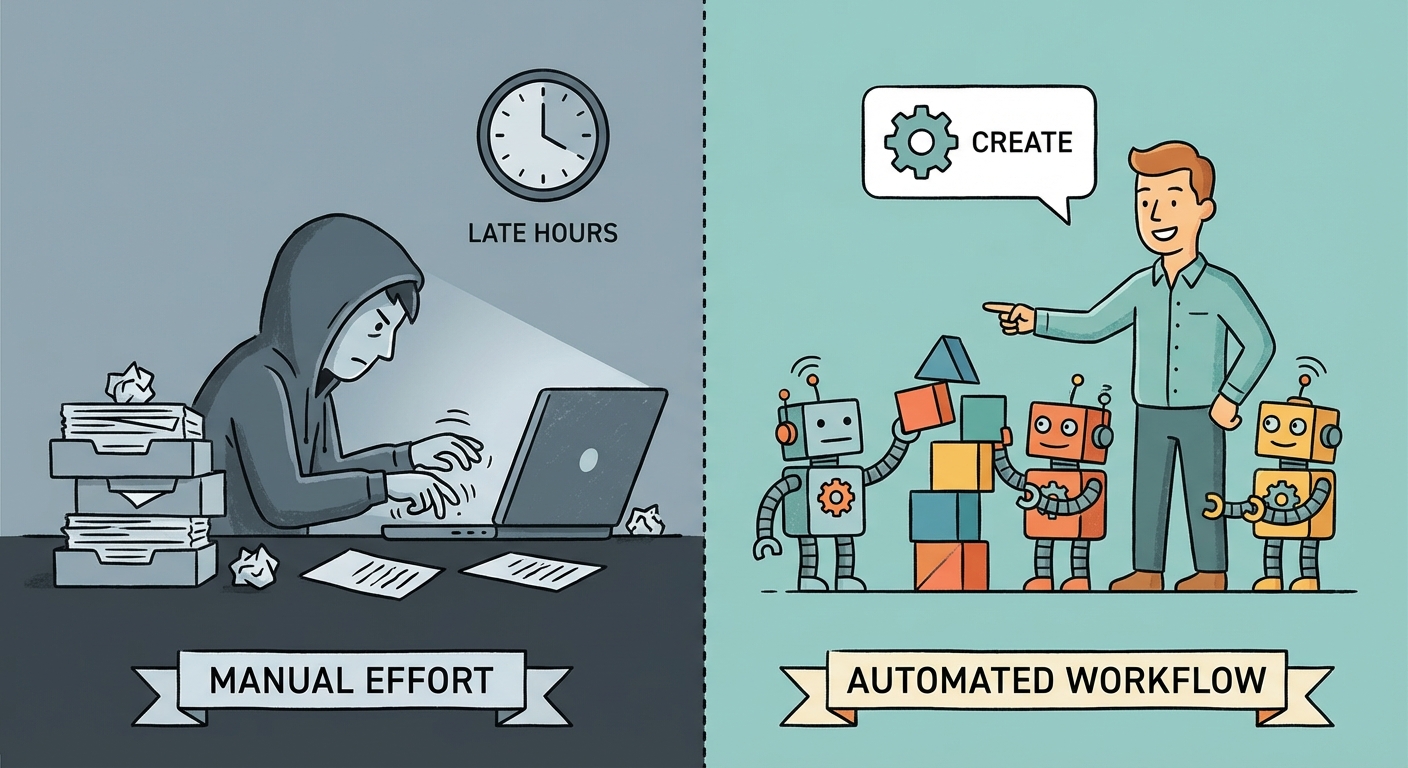
Honestly, trying to keep up with a content calendar manually is a one-way ticket to burnout city. I've seen so many founders start strong only to disappear for months because they hit a wall or just ran out of hours in the day.
The trick isn't to let a machine do all the thinking, but to use it to kill that "blank page" anxiety. You can use AI tools to brainstorm 50 headlines in seconds or outline a massive guide while you're still finishing your coffee.
- Beat the block: Use platforms like Publish7—which is an AI-driven tool for content generation—to help create expert-level drafts or manage link-building campaigns without the usual headache.
- Automate the "blah": Let automation handle the meta descriptions and alt text so you can focus on the actual story.
- Keep it human: Always do a "vibe check" on whatever the bot spits out—if it sounds like a robot wrote it, your readers will smell it a mile away.
If you're looking to go global, you can't just copy-paste into a basic translator and hope for the best. Modern workflows use API connections to sync your content planning directly with a multi-language dashboard.

- Global reach: Translation tools now help you adapt idioms so you don't accidentally insult someone in a different timezone.
- Real-time SEO: Some tools now suggest keywords while you're still typing, based on live data from your analytics dashboard.
As mentioned earlier, trust is everything. While these tools scale your output, the "Delight" factor still comes from you. Let's look at how this impacts your bottom line.
The New 40/40/20 Rule for Digital Success
Ever feel like you're doing everything "by the book" but your campaigns still just... sit there? It's probably because the old-school rules we all learned are kind of falling apart in the age of AI and social feeds.
Back in the 60s, a guy named Ed Mayer came up with the 40/40/20 rule: 40% audience, 40% offer, and 20% creative. It worked great for direct mail, but honestly, things are way messier now. We are essentially redefining this for the digital age. Today, the "offer" has shrunk to about 10% because everyone has a "deal." Content and audience targeting now make up the other 90%.
- Audience is deeper: It’s not just a mailing list anymore; it’s about detailed personas and emotional triggers.
- Content is the engine: You need the right story at the right time, or people just keep scrolling.

I've seen so many product listing pages that look like they were designed in 1998. If your visuals are bad, your content won't save you. Research shows that good visuals can massively increase how much info people remember compared to just plain text.
- Healthcare: Instead of just listing services, a clinic using patient testimonial videos builds way more trust.
- Retail: Doing a UX review to make sure your "add to cart" button isn't hidden behind a giant pop-up is basically content marketing too.
- Finance: Using interactive calculators helps regular people actually understand their mortgage options instead of reading a dry PDF.
It's all about making sure sales and marketing are actually talking to each other. If marketing promises one thing and the sales team says another, you lose that trust we talked about earlier. Now, let's see how we measure the actual results.
Measuring the Impact of Content on Digital ROI
So, you’ve posted the blogs and sent the emails—but how do you actually know if it’s making you any money? Honestly, staring at a dashboard full of random numbers can feel like trying to read the Matrix if you don't know what matters.
Tracking organic traffic is the obvious first step, but it's a marathon. You want to see those lines going up over months, not days. If a page is lagging, use content optimization to tweak the headers or add better visuals.
- Lead Magnets: Are people actually downloading your guides? If your "conversion rate" is trash, your offer might be the problem.
- Heatmaps: Use these to see where people stop scrolling. Maybe your big "buy now" button is buried too deep.

The real "halo effect" happens when you stop chasing every single click and start building a reputation. As previously discussed, trust comes from being reliable and actually delighting your audience. When you share your values—like supporting a local charity—people start seeing you as a human, not just a logo.
- The Marathon: Content doesn't always pay off tomorrow. It builds up like compound interest.
- Go-to Resource: When you consistently answer the hard questions, you become the first person they call when they're ready to buy.
Honestly, digital marketing is just the plumbing. Good content is the water that makes the whole system actually worth something. Stick with it, keep an eye on the data, and don't be afraid to show a little personality.