Strategies for Repurposing Content to Increase Sales

TL;DR
- This article covers proven strategies for repurposing existing marketing content to boost sales. It includes identifying high-performing content, adapting it for different platforms and formats, and measuring the impact on your sales funnel. Also, it'll show you how to leverage ai tools to automate and optimize your repurposing efforts, ultimately driving more revenue.
Why Repurpose Content? The Untapped Potential
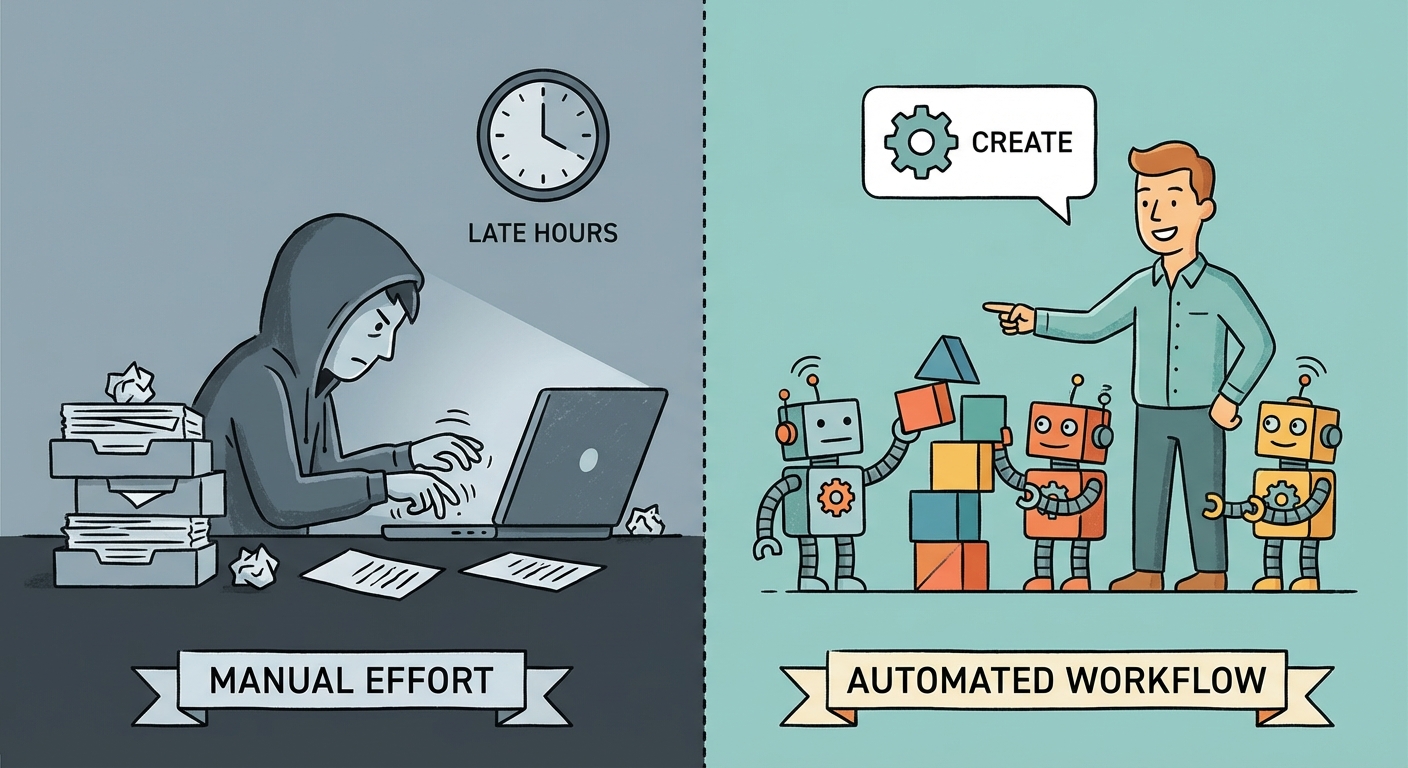
Repurposing content? It's like finding money in your old coat pocket—unexpected, but definitely welcome! Why let all that effort go to waste when you can get so much more mileage out of it? It's about maximizing your reach and impact without starting from scratch every time.
- Extending lifespan: Think of that blog post you sweated over. Turn it into a series of tweets, an infographic, or even a short video. Why not, eh? You've already done the heavy lifting, so why not give it a second, third, or fourth life?
- Reaching new audiences: Not everyone hangs out on the same platform. Tailor your message for different social medias or even different countries and languages. What resonates on LinkedIn might need a different spin for TikTok.
- Boosting seo: Google loves fresh content, but it also loves variety. (Why Google Loves Fresh Content - SEO CoPilot) Repurposing helps you cover more ground and snag those search engine rankings by offering diverse formats and angles on your core topics.
It's about working smarter, not harder. Now that we understand the 'why,' let's explore how to identify the best content to give a second life.
Identifying Content Ripe for Repurposing
Okay, so you've got a ton of content. But, like, is it good content? Is it ripe for a second life? Before you just start slapping blog posts onto TikTok, maybe check if anyone even liked 'em in the first place, ya know?
- Dig into your analytics: Look at what's already crushin' it. Which blog posts get shared the most? Which videos have folks watchin' till the end? This is low-hanging fruit, people! For example, if your healthcare blog post about telehealth is super popular, maybe a webinar on the same topic is a good next step.
- Evergreen is king: That super-specific article about 2023 tax laws? Probably not gonna kill it in 2024. Focus on stuff that's always relevant. Think "how-to" guides, or explainers on fundamental topics. For example, if you've a killer explainer on blockchain, you can chop that into smaller vids, or even an email series.
- Don't be afraid to update: Even evergreen content can get stale. Give it a refresh with new stats, examples, or even just a new intro. Turn an old blog post into a fresh report, adding new data.
Now that we've identified the content gems, let's look at how to transform them into something new.
Repurposing Strategies: From Blog to Beyond
Okay, so you've got this blog post, right? Don't just let it sit there gathering digital dust! Think of it as raw material – like clay waiting to be molded into something new.
- Blog posts can become infographics. Got a listicle? Boom, visual content! Healthcare companies, for instance, often transform complex medical info into easy-to-digest infographics.
- Videos are prime repurposing candidates. A blog post turned into a short YouTube video? Absolutely! You can even chop up longer videos into smaller clips for, like, Instagram or TikTok.
- Infographics? Think presentations. Turn those data-driven stories into a slideshow. Retail businesses could turn an infographic about customer demographics into a presentation for their sales team.
- Podcasts aren't just for listening. Transcribe those audio gems into blog posts or articles, reaching a whole new audience who prefers reading. Plus, those interviews? Perfect for written q&as.
It's all about taking that one piece of content and stretching it everywhere. Get creative!
While we've explored various manual strategies, the landscape of content repurposing is also being transformed by technology. Let's now look at how AI can revolutionize this process.
Leveraging AI for Content Repurposing
AI...it's not just for sci-fi movies anymore, is it? It's barged into content repurposing, and honestly, it's kinda useful.
- ai writing assistants can rewrite content like it's their job, because, uh, it is their job. Got a blog post that's a bit...stuffy? Slap it into an ai tool and get a bunch of new, snappier versions. Or maybe create different versions for differing platforms.
- Content automation tools let you automate the whole shebang. Schedule posts across multiple channels, saving you a ton of time. For finance companies, this mean faster compliance updates across all platforms.
- ai can even help with ux. Analyzing user behavior to see what resonates? That's ai's bread and butter. Personalize content based on what folks like. Retailers can use this to tailor product descriptions based on customer browsing history.
So, ai's not gonna replace us yet, but it can sure make content repurposing a heck of a lot easier. Now, let's discuss how to measure the effectiveness of all these efforts and truly put it all together.
Measuring the Impact: Sales and ROI
Okay, so you've been cranking out all this repurposed content—blog posts turned into tweets, infographics morphed into presentations—but how do you know if it's actually doing anything for your bottom line? Let's dive in, shall we?
First off, you gotta monitor the right stuff. I'm talking website traffic, lead generation, and, most importantly, sales conversions. Don't just throw content out there and hope for the best, eh? Retail businesses, for example, should be tracking if those Instagram posts featuring repurposed blog content are driving folks to actually buy something.
- Analytics are your friend. Use 'em! See which pieces of repurposed content are actually resonating with your audience. Are those short video explainers on finance getting shared a lot? That's a good sign.
- Don't forget about roi, though. It's easy to get caught up in vanity metrics (likes, shares), but what's the actual return on investment? Are you spending more time repurposing than you're gaining in sales?
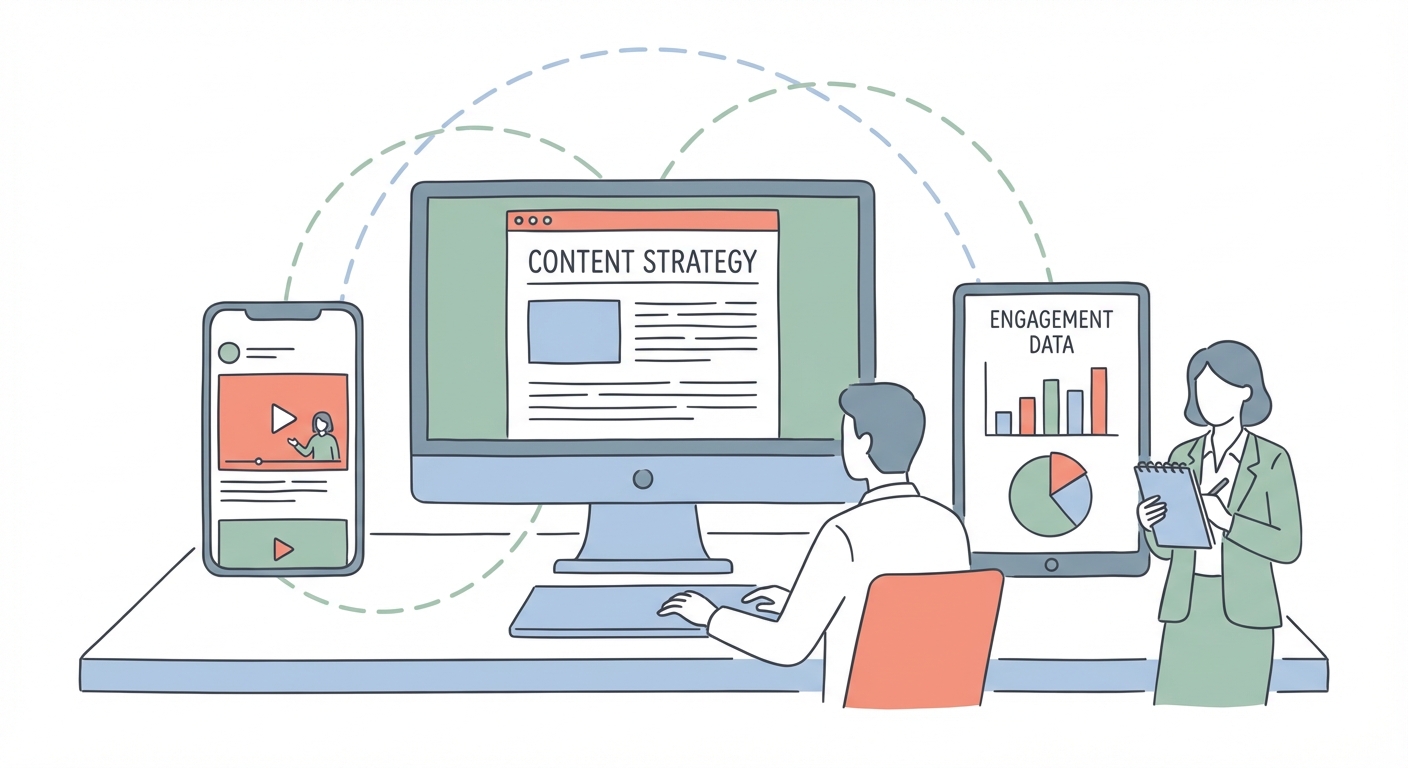
Attribution modeling is key, helping us understand which touchpoints in the customer journey contributed to a sale, though it can be a pain in the butt to set up. You need to figure out which pieces of content are directly leading to sales. Understanding this journey is crucial, as it's rarely a straight line; someone might see a tweet, then read a blog post, and finally buy something a week later.
- Map the customer journey. Understand how content influences purchasing decisions. Did they find you through a repurposed linkedin article? Or a video series?
- Optimize based on data. Once you know what's working, do more of it! Less of what isn't. Healthcare companies might find that webinars are a huge lead generator, so they double down on those.
So, repurposing content ain't just about being efficient; it's about being effective. And yeah, that means measuring stuff to ensure your efforts are truly driving business results.