The Rise of Consumer-Generated Marketing


TL;DR
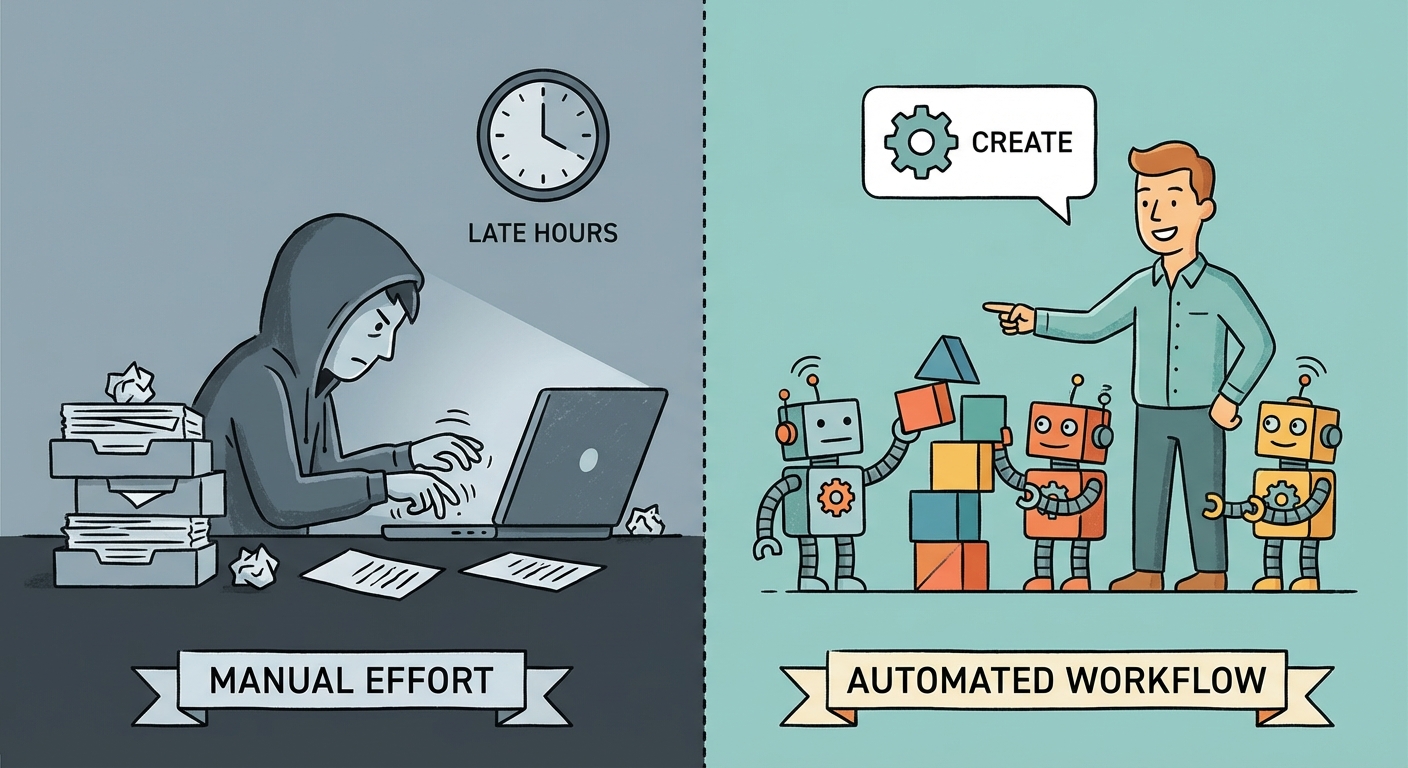
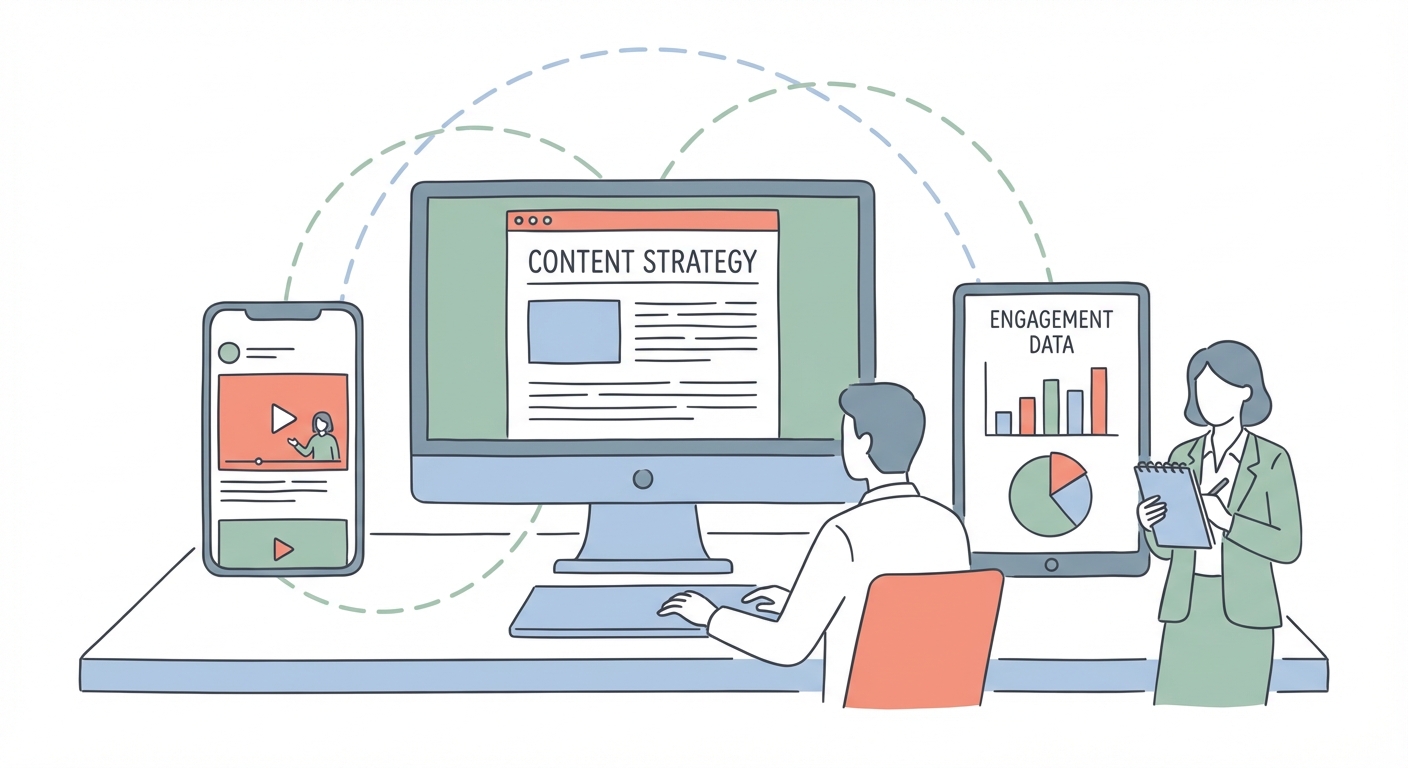
- This article explores the growing importance of consumer-generated marketing (cgm) in today's digital landscape. It covers how ai tools facilitate cgm, benefits like enhanced authenticity and cost-effectiveness, and strategies for businesses to leverage user-created content. Ethical considerations and future trends in cgm are also discussed.
Understanding the 80/20 Rule: The Pareto Principle
Ever heard that 80% of your results come from 20% of your efforts? (The 80-20 Rule (aka Pareto Principle): What It Is and How It Works) It's kinda wild, right? This idea, known as the Pareto Principle, can seriously change how you approach email marketing.
Here's the gist:
- It's all about focusing on what really matters.
- Think of it like this, a small group of your subscribers are likely driving most of your engagement and sales.
- Figuring out who they are, and catering to them, is key.
Basically, understanding this principle can help you streamline your marketing and, well, make more money. Let's dive into how this applies to email marketing specifically, shall we?
Identifying Your Top 20% in Email Marketing
Okay, so you're on board with the 80/20 rule, right? Now, how do we actually find those VIPs in your email list? It's like finding the golden tickets in a sea of emails, but trust me, it's worth it.
Here's a few things to keep your eye on:
Open rates and click-through rates (ctr): Obvious, yeah, but who consistently opens and clicks? Those are your MVPs.
Conversion rates and purchase frequency: Which subscribers are actually buying stuff? And how often? These are your breadwinners, treat 'em like gold.
Customer lifetime value (cltv): This one's a bit fancier. How much revenue does a subscriber generate over their entire relationship with you? Tailored Edge Marketing suggests that understanding this metric will help you personalize the journey of your vip subscribers. For example, knowing a subscriber has a high CLTV might mean they're more receptive to exclusive offers on premium products or invitations to join a loyalty program.
Once you've got this data, you can start tailoring your campaigns to those crucial subscribers.
Personalizing the Email Journey for Your VIP Subscribers
Okay, so you've ID'd your top email peeps... now what? It's time to roll out the red carpet and make 'em feel special, right?
Segmentation is key: Don't lump all your VIPs together. Segment by purchase behavior (e.g., frequent buyers), engagement level (those who always click), or even demographics. For a healthcare provider, this could mean sending tailored wellness tips to high-risk patients who actively engage with their health portal.
Dynamic content is your friend: Use it to personalize messages based on individual data. This means using placeholders that pull in subscriber-specific data like past purchases or browsing history. Like, if someone always reads your articles on ai, send 'em exclusive content on that!
Exclusive offers and VIP treatment: Early access to sales, special discounts, or even a birthday shout-out. A retail store, for instance, might give it's top 20% an exclusive preview of their new product line.
Personalization isn't just about using their name; it's about showing you get them.
Tools for Applying the 80/20 Rule
Alright, so we've talked about identifying and personalizing for your top 20%. But how do you actually do all this without losing your mind? That's where tools come in.
CRM Systems (Customer Relationship Management): Think HubSpot, Salesforce, or Zoho CRM. These are your central hubs for all subscriber data. They help you track interactions, segment your audience based on behavior and demographics, and manage your customer relationships.
Email Marketing Platforms: Mailchimp, ActiveCampaign, Constant Contact – these platforms are essential. They not only send your emails but also offer robust segmentation tools, automation capabilities for drip campaigns, and analytics to track your KPIs. Many also have features for dynamic content.
Analytics Tools: Google Analytics is a must for understanding website behavior after a click. For deeper insights into email engagement, your email platform's built-in analytics are key. Some advanced tools can even track scroll depth or time on page, giving you a better sense of whether people are actually reading your content.
A/B Testing Tools: Many email marketing platforms have this built-in, but dedicated tools can offer more advanced features for testing different subject lines, content, or offers. We'll get to this more later.
Using the right tools can automate a lot of the heavy lifting, freeing you up to focus on strategy and creative content.
Nurturing the Other 80%: Strategies for Engagement
Okay, so you've been showering love on your top 20%—awesome! But what about the other 80% sitting there? Don't leave them hanging! While your top 20% are driving immediate results, nurturing the other 80% with targeted re-engagement and drip campaigns is crucial for converting them into future high-value customers, thus expanding your 'top 20%' over time.
Here's how to give those other subscribers some much-needed attention:
Re-engagement campaigns: Target folks who haven't clicked in a while with a "we miss you" email; maybe a special offer to get them back.
Drip campaigns: Nurture leads with educational content, like a series of emails explaining how your SaaS product solves their pain points.
It's all about finding creative ways to keep 'em interested.
Measuring and Refining: Continuous Improvement
Okay, so you've got your email machine humming, but is it really working? Time to check under the hood, right?
Keep tabs on your kpis: Open rates, ctr, the usual suspects. But, dig deeper! Are folks actually reading the emails or just glancing? While direct measurement is tricky, look at proxy indicators like how far people scroll down your landing pages after clicking, or how much time they spend engaging with content linked in your emails.
Engagement over time matters: Are those click-throughs turning into conversions? If not, maybe your offers ain't hitting the mark.
roi, baby!: Is all this personalizin' actually paying off? If you're not seeing a boost in sales, something's gotta change, you know?
A/B Testing for Optimization
Now that you're segmenting and personalizing, how do you know what's really working best? That's where A/B testing comes in. It's basically a scientific way to compare two versions of something to see which one performs better.
Here’s how you can use it with the 80/20 rule:
Test Offers for Top Segments: You might send one version of an offer to your VIP segment and a slightly different, perhaps less aggressive, offer to a broader segment. Then, you compare the conversion rates to see if your VIPs respond better to exclusive deals.
Subject Line Variations: Test different subject lines for your VIP segment versus your general list. Do your VIPs respond to more direct, benefit-driven subject lines, or do they prefer something more exclusive-sounding?
Call to Action (CTA) Testing: Try different CTAs for your top segments. Is "Shop Now" more effective, or is "Exclusive Access" better for them?
By systematically testing, you can continuously refine your approach, ensuring you're not just guessing what resonates but actually knowing what drives the best results from your most valuable subscribers.
Challenges and Pitfalls of Applying the 80/20 Rule
Applying the 80/20 rule ain't always sunshine and rainbows, you know? It's easy to stumble – like thinking only your top folks matter. Here's a few potholes to watch out for:
Avoiding Over-Segmentation: Go too far, and you'll wind up with tiny segments that aren't worth the effort. Like, if you're a financial services firm, creating a segment for "left-handed ceos who like jazz" is probably overkill.
Ignoring the Potential of the Other 80%: Don't forget about the rest! They might not be buying now, but they could be future MVPs. Think of it like a sports team; you gotta nurture the whole roster, not just the star players. Plus, a re-engagement campaign could work wonders.
Don't fall into the trap of neglecting potential growth; it's about balance, right?
Real-World Examples and Case Studies
Alright, let's get real, seeing the 80/20 rule in action always makes things click, ya know? It's not just some abstract concept.
E-commerce boost: One online retailer I know used the 80/20 rule to laser-focus on their top spenders. They started sending exclusive previews of new collections and, get this, sales from that group jumped by like, 30% in a quarter! It's all about giving the love where the money is, right?
saas retention magic: A saas company noticed that a small group of users were super active. So, they created a special onboarding program—think personalized training calls and direct access to support. Churn? Slashed. Upsells? Through the roof.
And it's not just about the big wins. Like, small tweaks can make a difference. If you're in healthcare, maybe tailoring appointment reminders based on patient history. In finance, offering exclusive investment advice to high-net-worth clients.
It's about understanding that not all customers are created equal, and that's okay.
Conclusion: Maximizing Impact with Strategic Focus
Alright, so you've been putting in the work, tweaking your email campaigns, and all that jazz. Now what?
- Remember the core: The 80/20 rule ain't a set-it-and-forget-it thing. It's about always refining who your key players are and what makes 'em tick.
- Don't ghost the 80%: Just because they aren't top dogs now, doesn't mean they won't be. Keep 'em warm with solid content.
- Keep learning: The marketing game changes, like, every week. Stay curious and keep testing new stuff.
Basically, keep at it, and you'll see those email results climb, right?