Types of Call to Actions: Best Practices and Strategies

TL;DR
- This article covers various types of call to actions (CTAs) and how to effectively use them in your marketing efforts. It includes best practices for crafting compelling CTAs, strategies for placement and design, and examples across different platforms like websites, social media, and email. Get actionable tips to boost conversions and achieve your marketing goals.
Introduction to Code Review Tools
Code reviews, they can be a real pain, right? But honestly, they're kinda essential.
- A code review tool is basically software that helps developers look over code changes. Think of it as a digital magnifying glass, but for code.
- The main goal of these tools? To catch mistakes early, keep the code consistent, and make sure everyone's on the same page. Code review is a fundamental software development practice. It's not just about finding bugs; it's also about improving the overall quality.
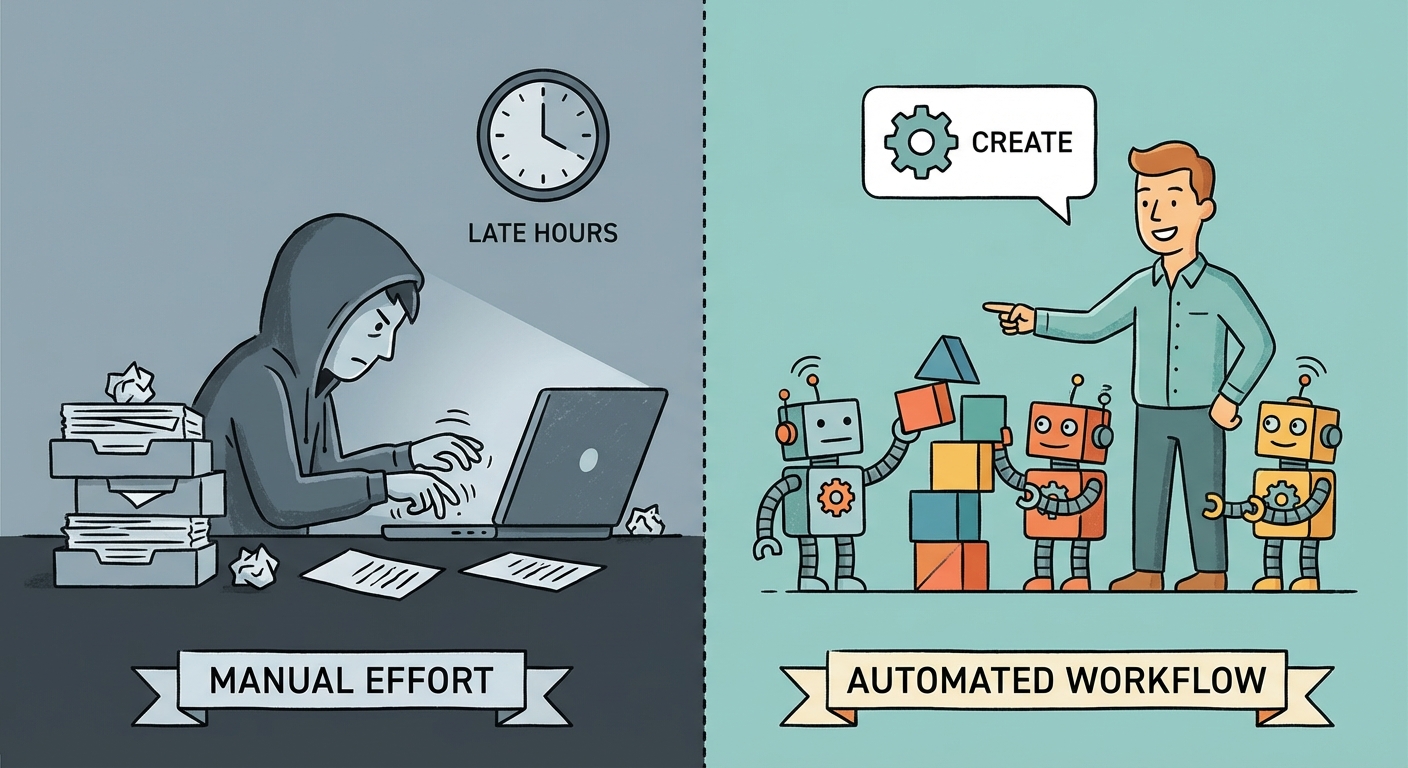
- What's the difference between using a tool versus just having someone eyeball the code? Well, tools can automate a lot of the grunt work! They integrate with things like Git. Plus, they offer a smoother workflow for managing changes.
These tools can be a lifesaver in industries like finance where accuracy is paramount. Imagine catching a potential error in a banking app before it goes live. Now, that's what I call peace of mind.
So, what's next? We'll take a look at the specific features that these tools can offer.
Specific Features of Code Review Tools
Alright, so you're wondering what these code review tools actually do? They're packed with features to make your life easier.
- Inline comments and annotations: This is a big one. Being able to comment directly on specific lines of code? It's essential for clear communication. Imagine trying to explain a complex database issue in a retail platform, without pointing to the exact line causing the problem! It makes feedback super precise.
- Pull/Merge Request support: This is where the magic happens. The tool needs to play nice with Git platforms like GitHub, GitLab, Bitbucket. It streamlines the whole process of proposing and merging changes.
- Syntax highlighting & side-by-side diff views: Makes spotting changes a breeze. There are recommendations on ways to do code reviews, based on long experience, and these features are key to that. It helps you quickly see what's new and what's changed.
Why Use Code Review Tools?
Okay, so why bother with code review tools anyway? Is it really worth the hassle of setting 'em up?
- Well, for starters, better code quality is a huge win. Catching bugs early saves time (and stress!) later. Think fewer headaches down the line, across industries, not just finance.
- Plus, it boosts team collaboration. Everyone gets on the same page, knowledge gets shared... it fosters knowledge sharing and team alignment.
- And don't forget, coding standards. These tools make sure everyone's playing by the rules and that matters when you have more than one person working on the same project.
Next up, we'll tackle some misconceptions about code review. It ain't all bad, promise!
Misconceptions About Code Review
Let's clear the air on some common misunderstandings about code review. It's not always what people think.
- "It's just for junior developers." Nope! Experienced developers benefit just as much, if not more. It's a learning opportunity for everyone, regardless of seniority.
- "It slows down development." While there's an initial time investment, catching bugs early actually speeds things up in the long run by preventing costly rework.
- "It's all about finding mistakes." While bug detection is a major benefit, code review is also about knowledge sharing, mentoring, and ensuring code consistency. It's a collaborative process.
- "It's a personal attack." A well-conducted code review should focus on the code, not the person. Constructive feedback is key.
Key Features to Look for in a Code Review Tool
Okay, so you're diving into code review tools? Good choice! But with so many options, how do you pick one that isn't, you know, totally useless?
Here's a few key features that'll make your life easier:
- Inline comments and annotations: Gotta have this. Being able to comment directly on specific lines of code? It's essential for clear communication. Imagine trying to explain a complex database issue in a retail platform, without pointing to the exact line causing the problem!
- Pull/Merge Request support: This is where the magic happens. The tool needs to play nice with Git platforms like GitHub, GitLab, Bitbucket.
- Syntax highlighting & side-by-side diff views: Makes spotting changes a breeze. There are recommendations on ways to do code reviews, based on long experience.
Up next, we'll talk about the nice-to-have features. Stuff that ain't essential... but sure is sweet.
Nice-to-Have Features for Code Review Tools
While the core features are essential, some "nice-to-have" additions can really elevate your code review experience.
- Code ownership tracking: Knowing who is responsible for which parts of the codebase can help in assigning reviewers and understanding context.
- Integration with issue trackers: Seamlessly linking code changes to specific tickets or tasks in tools like Jira can improve traceability and project management.
- Automated code formatting and linting: While not strictly review features, having these integrated can reduce the number of stylistic comments, allowing reviewers to focus on logic and functionality.
- Code review dashboards and reporting: Visualizing review metrics, like turnaround time or number of comments, can help identify bottlenecks and areas for improvement.
- Pre-commit hooks: These can catch certain issues before code is even pushed for review, saving everyone time.
Setting Up Your Code Review Tool
So, you're ready to setup your code review tool, huh? It's not as daunting as it seems!
- First, you gotta choose the right tool. What works for a small startup might not cut it for a massive enterprise in, say, the insurance sector.
- Then, there's the actual installation. Follow the steps carefully or things will probably break.
- Finally, configure those basic settings. Connecting your repo, setting user roles, these are standard configuration steps.
Up next, we'll see how to integrate it all into your existing workflow.
Integrating Code Review Tools into Your Workflow
Getting your code review tool set up is one thing, but making it a natural part of your daily routine is another. Here's how to weave it in.
- Define your review process: Clearly outline when and how code reviews should happen. Is it for every pull request? For specific types of changes?
- Automate where possible: Integrate your code review tool with your CI/CD pipeline. This ensures that code is reviewed before it's deployed, catching issues early.
- Link to issue tracking: Connect your code review tool with your project management software (like Jira or Asana). This provides context for reviews and helps track progress.
- Establish communication channels: Make sure your team knows how to communicate about reviews. This might involve using built-in commenting features or dedicated chat channels.
- Onboard your team: Don't just throw the tool at people. Provide training and guidance on how to use it effectively and what the expectations are.
Conducting an Effective Code Review: A Step-by-Step Guide
Okay, so you're ready to actually do a code review? It's more than just nitpicking, trust me.
- First off, prep is key. Understand those code changes! What problem are they trying to solve? Imagine reviewing code for a new feature in a healthcare app... you'd better know what that feature is supposed to do.
- Next, dive into the code. Use those diff views like you're hunting for treasure. Look for potential bugs, security holes, or just plain confusing code.
- Don't be shy with the inline comments! But, ya' know, be nice. Categorize your comments too - critical, optional, positive. Keeps things organized, right?
- Tools can help big time, highlighting things like style violations.
Next up, what to do after the review...
What to Do After the Code Review
The review itself is done, but your job isn't quite finished. What happens next is crucial for a smooth process.
- Address feedback: The author needs to go through the comments and make the necessary changes. This might involve updating the code, clarifying points, or discussing alternative solutions.
- Re-review (if necessary): If significant changes were made, a re-review might be needed to ensure everything is addressed correctly.
- Approve and merge: Once all feedback is resolved and the code meets the standards, the reviewer(s) can approve the changes, and the code can be merged into the main branch.
- Document decisions: If there were any debates or significant decisions made during the review, it's good practice to document them for future reference.
- Learn from the process: Both the reviewer and the author should reflect on the review. What went well? What could be improved for next time?
Best Practices for Code Review
Alright, so you're doing code reviews, huh? Don't just dive in without a plan! Think of it like this: you wouldn't build a house without blueprints.
- Understand the code's purpose. Don't just skim it; get what it's supposed to do. If it's for a new feature in a retail app, know what that feature is!
- Give helpful feedback. "This is bad" doesn't cut it. Explain why and offer solutions, like suggesting a better algorithm for a finance calculation.
- Be respectful, always. No personal attacks, okay? It's about the code, not the coder.
- Focus on the big stuff. Minor stylistic issues can wait; nail those critical bugs first.
- Maintain a timely review process. People are waiting! Aim for a reasonable pace, balancing thoroughness with efficiency.
Next up, we'll flip the script and talk best practices for authors...
Best Practices for Authors During Code Review
It's not just about the reviewer; authors play a big role in making code reviews successful. Here's how to be a great code author during the review process.
- Write clear, concise code: Make your code easy to understand. Well-written code naturally leads to fewer comments and a smoother review.
- Provide context: When submitting a change, explain what it does, why it's needed, and any specific areas you'd like reviewers to focus on.
- Keep changes small: Smaller, focused commits are much easier to review than massive ones. Break down large features into smaller, manageable chunks.
- Address feedback promptly and respectfully: Respond to comments in a timely manner. If you disagree with feedback, explain your reasoning politely.
- Learn from feedback: View comments as opportunities to improve your code and your understanding. Don't take criticism personally.
Advanced Tips and Tricks
Alright, let's get real about advanced code review tips. It's not just about finding typos, you know?
- Custom review rules can seriously level up your workflow. Think automated checks for security vulnerabilities in a finance app, or style consistency in a healthcare platform.
- Automation? Yes, please! Imagine a system that automatically assigns reviewers based on their expertise. Like, the database guru always gets the database code.
- Integrating with other tools? It's a must. Linking your code review tool with Jira, for example, makes tracking issues a breeze.
Thinking about what to measure? We'll jump into that next.
Measuring Code Review Effectiveness
Knowing if your code review process is actually working is important. What should you be looking at?
- Review turnaround time: How long does it take for a review to be completed from start to finish? Shorter times often indicate a more efficient process.
- Number of comments per review: A high number might suggest issues with code clarity or complexity, or perhaps overly detailed feedback.
- Bugs found post-review: While not all bugs are catchable in review, a significant number of bugs slipping through can indicate a need to improve review practices.
- Reviewer engagement: Are people actively participating in reviews? Low engagement can be a sign of process issues or burnout.
- Code churn: How often is code being rewritten after review? High churn might mean the initial code wasn't well-thought-out or the feedback wasn't clear.
Trends in Code Review Tools
AI in code review? Yeah, it's becoming a thing. It's like having a robot with a super-detailed checklist.
- ai integration means automated bug detection and suggestions are getting smarter. Imagine ai flagging potential issues in a finance platform's algorithm before a human even looks at it.
- Shift-left is all about catching issues earlier. Think integrating with ides so you get feedback as you type, or into ci/cd pipelines so every commit gets checked. This means addressing potential problems at the earliest possible stage of development.
- Tools can give you advanced review analytics on things like how efficient your reviews are and how engaged reviewers are.
- Improved security checks are key, 'specially with static code analysis spotting vulnerabilities.
What's next? We'll get into benefits...
Benefits of Code Review Tools
Let's wrap this up by really hammering home why these tools are so darn useful.
- Enhanced Code Quality: This is the big one. Catching bugs, logic errors, and potential security flaws before they hit production saves a ton of headaches and resources.
- Knowledge Sharing and Team Learning: Reviews expose developers to different parts of the codebase and different approaches to problem-solving, fostering a more knowledgeable team.
- Consistency and Standards Enforcement: Tools help ensure that code adheres to established coding standards and best practices across the entire team.
- Reduced Debugging Time: Finding issues early in the review process is significantly cheaper and faster than fixing them in production.
- Improved Team Communication and Collaboration: The review process encourages discussion and shared understanding of the codebase.
Conclusion
Wrapping things up - code review tools? They're not just a nice-to-have, but a must-have, especially if you're serious about code quality.
- Using code review tools improves code quality, catches bugs early, and helps with team collaboration. It's like having a safety net for your code.
- Make sure you choose the right tool for your needs. What works for a small team might not cut it for a larger enterprise.
- It's essential to keep improving and adapting. The world of tech is always changing, so your code review process should, too.
So, ready to level up your code? Don't get left behind.