Understanding Marketing Content


TL;DR
- This article covers the essentials of marketing content, exploring its various forms and strategic importance. It highlights how the 80/20 rule applies to content creation, emphasizing the need for valuable, audience-focused material over purely promotional pitches. Tools like AI writing assistants and content optimization techniques are also discussed to enhance content effectiveness.
What Exactly IS Marketing Content?
Marketing content, huh? It's more than just shouting about your product; it's about connecting with people. Ever wonder why some ads just click while others make you roll your eyes?
Marketing content is basically anything a company creates to get your attention, keep you interested, and turn you into a loyal customer. It's not just about selling; it's about giving you something valuable.
- It provides value by answering your questions and solving your problems. For example, a healthcare company might create blog posts about wellness tips, while a retail store could share style guides on social media.
- It educates you about things you didn't know. Think finance companies offering free webinars on investing or tech firms publishing in-depth guides on using their software.
- It entertains or inspires you. This could be anything from a funny video ad from a fast-food chain to a moving story shared by a non-profit to tug at your heartstrings.
It's all about building relationships and trust, not just pushing products. As Wild Fig Marketing puts it, most of your content should provide value, not just be a sales pitch.
Marketing content has changed quite a bit of the years. Remember those old print ads? Now, it's all about digital blogs, social media, and videos. It's not just about selling anymore; it's about giving customers what they want.
The internet and social media have made it all about the customer. Content marketing is now a key part of every business strategy.
Marketing content is a core strategy now. In fact, digital media is getting most of the marketing dollars these days. > As of 2022, 57% of marketing spending was going to digital marketing, so you know it's important (Why Marketers Are Spending Less on Social Media) Tendo Communications.
So, with all that in mind, let's explore the different kinds of content you can create.
Types of Marketing Content You Should Know
Marketing content, huh? It's not just about writing anything - what kind of content should you focus on? Turns out, there's a few main types you can use to reach different people, and reach them where they already are.
Blog Posts: Think of these as your content marketing foundation. They're great for driving organic traffic to your site. Plus, they let you show off your knowledge and become a thought leader in your industry. Share some helpful insights, address common customer problems, and watch your site traffic grow.
Social Media Content: This is where you engage directly with your audience. But here's the thing, not all social media content is created equal. What works on TikTok probably won't fly on LinkedIn. You gotta tailor your content to fit each platform, whether it's eye-catching images, short videos, or engaging stories.
Email Marketing: Don't count email out just yet! It's not as old school as you might think. Email marketing lets you send personalized messages to your subscribers. Newsletters, special offers, product updates—they all keep your audience engaged and coming back for more.
Video: Video isn't just for cat videos, you know! It’s super engaging and can explain complex stuff quickly. Explainer videos, customer stories, live streams - the possibilities are endless. Video content can really boost your brand's recall and drive those conversions.
Case Studies: Want to show off your success stories? Case studies are the way to go. They build trust and show potential customers exactly how you've helped others achieve their goals.
So, now that you know the basic types of content, how do you actually make it good? Let's dive a little deeper...
The Power of the 80/20 Rule in Content Marketing
Okay, so you've probably heard of the 80/20 rule, right? It's like, everywhere, and—honestly—it can seriously change how you do content marketing, too.
The 80/20 rule, also known as the Pareto Principle, basically says that 80% of your results come from 20% of your efforts. I mean, it's kinda wild when you think about it... but it's usually true.

- In content marketing, this means that a small portion of your content is likely driving a large chunk of your traffic, leads, and sales. Think about it: a few blog posts or videos really take off, while the rest kinda just sit there.
- Identifying and focusing on that top-performing content is key. It's about figuring out what's working and doubling down on it. Why waste time and resources on stuff that isn't moving the needle?
- It's about working smarter, not harder, honestly.
So, how do you actually use this 80/20 thing in your content strategy?
- First, analyze your content performance to identify which pieces are crushing it. Use tools like Google Analytics to see what's getting the most traffic, engagement, and conversions.
- Next, figure out what makes that content successful. Is it the topic, format, style, or something else? Dig into the data and look for patterns.
- Then, replicate those elements in future content creation. If how-to guides are popular, make more of 'em. If videos are getting tons of views, invest in video production.
- And, yeah, cut the stuff that isn't working. It's tough, but necessary. Focus on what brings in the bacon.
Here are some examples:
- A company finds that how-to blog posts are driving the most traffic, so they start making more of 'em.
- A brand sees high engagement on social media videos and decides to invest more in video production.
- An e-commerce site notices that certain product descriptions lead to higher conversion rates and optimizes all their descriptions.
Applying the 80/20 rule may seem simple, but it's not always easy. It requires discipline, data analysis, and a willingness to kill your darlings, tbh.
Next up, we'll dive into ways to make sure that your content is actually getting seen...
Leveraging AI Writing Assistants for Content Creation
So, you're staring at a blank screen, huh? Writer's block got you down? ai writing assistants might just be your new best friend.
- ai writing assistants can whip up content outlines faster than you can say "brainstorm." Need social media posts, email copy, or even a blog post skeleton? ai can do that. For example, imagine a retail company using ai to generate different versions of product descriptions for an a/b test to see which preforms best.
- They're pretty good at brainstorming ideas and breaking through those creative walls. Stuck on what to write? Just feed the ai a topic, and boom—it spits out a bunch of angles you hadn't even considered. I mean, it's like having a whole team of junior writers at your beck and call.
- ai tools aren't just about writing; they can also help with research and fact-checking. They can even optimize your content for seo, making sure your stuff actually gets seen; that is, if you know how to use it.
Choosing an ai writing tool can feel like navigating a maze, tbh.
- Think about what you need. Is it easy to use? What features does it have? And what's it gonna cost you? Plus, can it play nice with the other tools you're already using?
- You want something that you can actually customize, something that spits out original, high-quality content. I mean, you don't want it sounding like a robot wrote it, right?
- Read some reviews, compare a few different ai writing assistants, and find one that fits your needs. It's like finding the perfect pair of jeans—you gotta try a few on before you find "the one."
ai isn't magic, okay?
Think of ai as a sidekick, not a replacement. It's there to boost your creativity. Don't let it take over completely.
Always, always review and edit what the ai gives you. Make sure it's accurate and that it sounds like your brand. You want it to sound like you, not some generic ai bot.
Play around with different prompts and settings to get the best results, okay? And don't just copy and paste what it churns out—make it your own. Add your personal touch.
So, you've got the lowdown on using ai to create content. Next, we will dive into ways to make sure that your content is actually getting seen...
Optimizing Your Content for SEO and User Experience
Alright, so you've got killer content, but is anyone actually seeing it? Turns out, it's not enough to just hit "publish" and hope for the best.
- Keyword research is where it all starts. You gotta figure out what people are actually searching for. Think about what your target audience would type into Google, and use those keywords in your content. For example, a finance company might target "best retirement plans for millennials."
- On-page optimization is all about making your content search engine-friendly. This means tweaking things like your title tags, meta descriptions, and header tags to include those keywords. It's like dressing up your content so Google notices it.
- Don't forget about link building and promotion. The more websites that link to your content, the more credible Google thinks you are. Backlinks act like votes of confidence from other sites, signaling to Google that your content is valuable and trustworthy. Share your stuff on social media, reach out to other bloggers, and get your content out there!
Content should be easy to read, tbh. Use clear headings, subheadings, and visuals to break up the text.
Make sure your site is mobile-friendly, too. Most people are browsing on their phones, so your content needs to look good on any device.
Fast loading speeds and easy navigation are also key. No one wants to wait forever for a page to load or struggle to find what they're looking for.
So, how do you know if all this is actually working? Well...
Measuring Content Performance
You've put in the work creating and optimizing your content, but how do you know if it's actually hitting the mark? Measuring your content's performance is crucial to understanding what's working and what needs a tweak.
Key Metrics to Track:
- Traffic: How many people are visiting your content? Look at page views, unique visitors, and traffic sources (organic search, social media, direct, etc.).
- Engagement: Are people interacting with your content? This includes metrics like time on page, bounce rate, comments, shares, and likes.
- Conversions: Is your content leading to desired actions? This could be anything from signing up for a newsletter to making a purchase. Track conversion rates for specific goals.
- SEO Performance: Monitor your keyword rankings, backlinks, and domain authority.
Tools to Use:
- Google Analytics: Your go-to for website traffic and user behavior.
- Google Search Console: Essential for understanding how your site performs in Google Search and identifying any technical issues.
- Social Media Analytics: Most platforms offer built-in analytics to track engagement and reach.
- SEO Tools: Platforms like SEMrush, Ahrefs, or Moz can provide in-depth insights into keyword rankings, backlinks, and competitor analysis.
Strategies for Evaluation:
- Regular Reporting: Set up a schedule for reviewing your content performance data (weekly, monthly, quarterly).
- A/B Testing: Experiment with different headlines, calls to action, or formats to see what resonates best with your audience.
- Content Audits: Periodically review your existing content to identify underperforming pieces that might need updating or removal, and high-performing pieces that can be repurposed.
By consistently measuring and analyzing your content's performance, you can make data-driven decisions to refine your strategy and maximize your impact.
Future Trends in Marketing Content
Okay, so, the future of marketing content? It's not just about writing blog posts and hoping they go viral, tbh. It's about getting personal and interactive, and video is still king.
- Consumers are expecting personalized experiences now. They want content tailored just for them, not some generic message blasted out to everyone. Data is key here; ai can analyze tons of info to figure out just what people want to see. Imagine, a financial company using ai to offer custom investment advice based on your spending habits.
- Interactive content is where it's at. Quizzes, polls, calculators—anything that gets the audience involved. These aren't just fun; they give you valuable data about your audience. For instance, a retail brand might use a quiz to recommend products based on style preferences, and then use that info to target ads better.
- Video isn't going anywhere - it's just evolving. Live video, short-form stuff, and even immersive vr experiences are all gaining traction. It's becoming easier and cheaper to produce, too, so there's no excuse not to be using it. Think a healthcare provider doing live q&a sessions with doctors, or a real estate company offering virtual tours of properties.
So, you're probably wondering how you can measure if this stuff is working, right? Let's dive into that next and see how you can tell if your content is actually making a difference.
Conclusion: Content is Still King (or Queen!)
Content marketing, is it even worth it? Well, I'm here to tell you it totally is; content is still king (or queen, if you prefer!). In fact, it's more like the whole royal court, tbh, and it's not going anywhere anytime soon.
- Marketing content is the bedrock of modern business. It's how you pull people in, keep them hooked, and turn them into customers. Think of it like this: a healthcare company using blog posts to dish out wellness tips. It's not just about selling; it's about building trust.
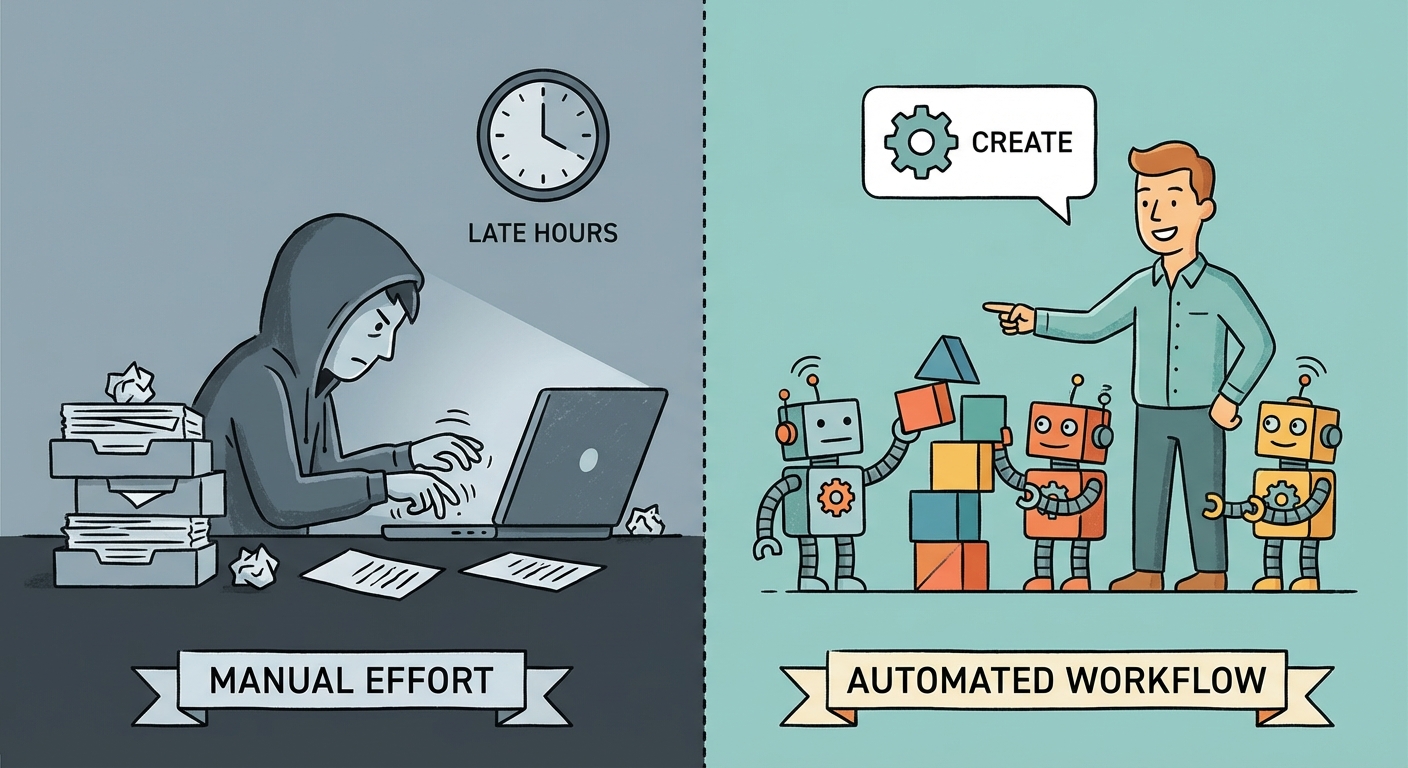
- Using the 80/20 rule and ai tools can seriously boost your content game. As previously discussed, the 80/20 rule helps you zero in on what's working and ditch the rest, saving you time and resources. And ai? Well, it can help you brainstorm ideas, draft content faster, and even assist with research, making your content creation process much more efficient.
- SEO and user experience go hand in hand. Your content needs to be easy to find and easy to read. Use keywords, make sure your site is mobile-friendly, and for the love of all that is holy, make it load fast!
- Keep an eye on what's next. Personalization, interactive content, and video are the future. You gotta keep up with the times, or you'll get left behind.
Imagine a retail company using quizzes to suggest products based on style preferences. This is a great example of interactive content that also drives personalization. They can then use that data to target ads better, giving customers exactly what they want, when they want it.
So, there you have it—the lowdown on marketing content. Use these tips and tricks to create content that not only attracts customers but also builds lasting relationships. And that, my friends, is how you win the content game.