Why Consumer-Generated Marketing Is Becoming Essential


TL;DR
- This article explores why consumer-generated marketing has shifted from a trend to a core necessity for modern brands. We'll cover how user content drives trust, reduces structural costs, and integrates with ai-driven workflows. You'll learn practical strategies for leveraging authentic customer voices to boost your seo and social media impact in a crowded digital landscape.
The Shift from Corporate Monologues to Consumer Dialogues
Ever feel like brands are just shouting at a brick wall? Honestly, I usually tune out those glossy ads because they feel so fake. It's like the 90s all over again when websites were just digital brochures you couldn't talk back to.
Back in the day, companies controlled every single word about their products. But that "unidirectional" vibe—what Walls.io calls the "download internet"—is pretty much dead. Now, we’re in this web 2.0 world where everyone has a megaphone.
- Trust is shifting: People are tired of corporate talk. We want to hear from real humans who actually used the thing.
- Social proof matters: If I see a TikTok of someone actually wearing those jeans, I'm way more likely to buy 'em than if I see a studio photo.
- Constant connection: Since we're always on our phones, the line between "shopping" and "chatting" has totally blurred.

It sounds crazy, but according to a 2024 BrightLocal report, about 91% of people aged 18-34 trust online reviews as much as personal recommendations from friends. I've definitely bought dog toys just because some random person on instagram posted a video of their pup loving it.
Whether it's ikea showing off real kitchens with their #kuchniaIKEA hashtag or KIKO Milano putting tiktok videos on their product pages, the brands winning right now are the ones letting us do the talking.
Since we know why this shift is happening, lets look at how it actually changes the way we buy stuff.
Why CGM is Actually Saving Your Marketing Budget
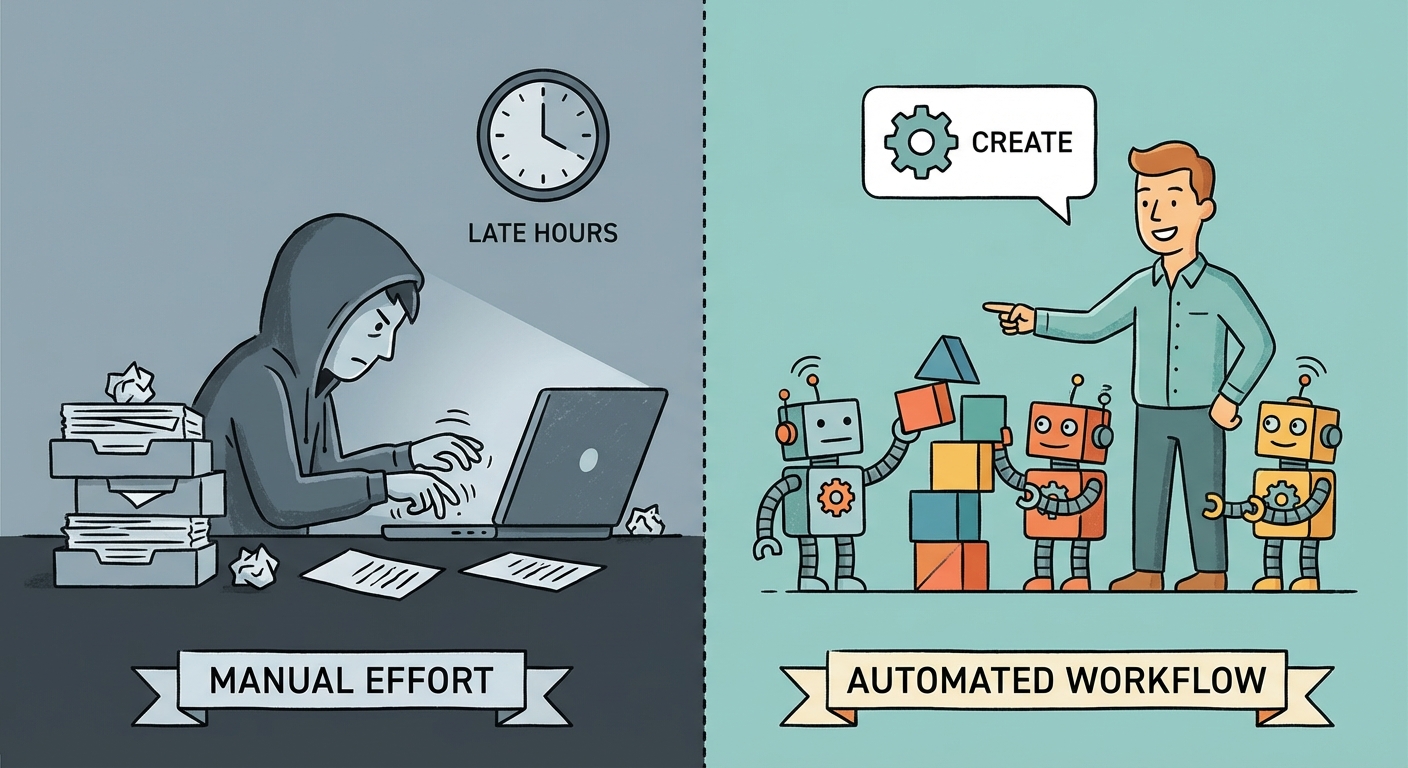
Let's be real—shooting professional ads is a total money pit. Between hiring photographers, booking studios, and those "craft services" snacks that nobody actually eats, you're bleeding cash before a single customer even sees the product.
The coolest thing about consumer-generated marketing (cgm) is that your fans are basically a free creative agency. Instead of a $10k studio shoot, you use a photo of a real person using your gear in their messy living room. (Ditch the $10K Location: Why Authenticity Trumps Perfection) It's cheaper and, honestly, looks way more authentic.
- Ditch the studio: Using customer photos means you don't need a massive production budget for every single social post.
- Scale without the headcount: You don't need a 20-person creative team when you have thousands of customers creating content for you.
- Better seo for free: When people talk about your brand using their own words, they use "long-tail keywords" you might never think of. It helps you show up in weirdly specific google searches.
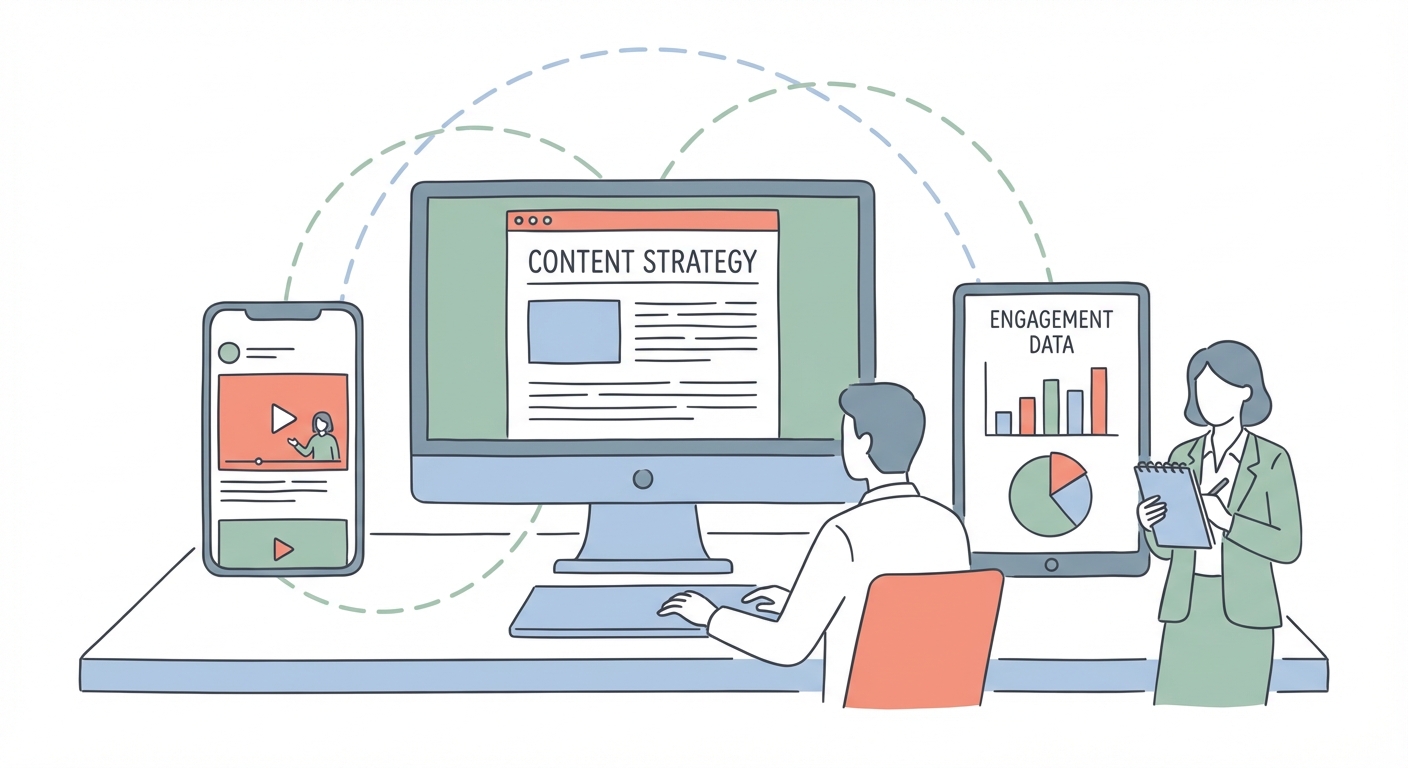
Marketers are also using tools like Publish7 to align this user-generated stuff with a solid seo content strategy. It helps you maximize your reach without actually spending more on ads. According to Walls.io, this shift allows companies to "cut structural costs" because you aren't paying for expensive sets or actors for every single campaign.
Google loves fresh content. When customers leave reviews or post on social walls, it signals that your site is alive and kicking.

I've seen brands like Wallpaper from the 70s use an api to pull instagram feeds directly onto their site. It keeps people on the page longer (dwell time!), which makes the search engines happy.
Since we're saving all this money, let's talk about the actual "trust" factor next.
The Risks of Ignoring the Crowd
Ever tried to ignore a group chat when everyone's mad at you? Yeah, it's basically impossible and usually makes things way worse. Ignoring your customers online is the exact same vibe—but with your bank account on the line.
If you think you can just "opt out" of consumer-generated marketing, you’re dreaming. People are talking about you anyway. If you aren't part of that convo, you're basically leaving your reputation in the hands of whoever has the loudest keyboard.
The biggest risk here is the negative feedback loop. Since people trust total strangers way more than your shiny ads, one bad review can spiral fast.
- The Critic is King: In a world where everyone is a critic, a weak product gets exposed in minutes. If your service sucks, asking for cgm is like asking for a roast.
- Reputation First: You gotta fix your internal mess before you ask for content. If your rep is already shaky, you'll just end up with an "avalanche" of memes making fun of you.
- Healthcare & Finance: These industries have to be extra careful with cgm because of privacy laws like HIPAA or strict financial compliance. You can't just repost a patient's story without serious moderation and legal checks.
There's also the risk of looking cheap. Like, you can't just exploit your fans for free labor and expect them to be happy about it. Take the DMC Stitch Contest for example. They asked artists for custom designs but the prizes were basically peanuts compared to the work involved. The community absolutely ripped them apart for it.
To avoid these risks of exploitation or reputation damage, brands need a structured, automated system to manage content fairly and effectively. Honestly, just be a decent human. If you're asking people to spend hours making a video or a design, make it worth their while.
Strategic Integration of CGM Across Your Stack
Ever tried to manually copy-paste every single tweet about your brand into a website gallery? Yeah, don't do that. It’s a total nightmare and honestly, you have better things to do with your life than playing "content detective" all day.
Getting cgm to actually work for you means baking it right into your tech stack so it runs while you're sleeping. It's not just about having a "social page"—it's about making sure that content shows up exactly where people are making a choice to buy.
The smartest brands are moving away from sterile, white-background shots because they lack context. While UGC might be messier, it shows how things actually fit in a real life apartment or on a real person.
- Ecommerce Integration: You can take a page out of the ikea playbook. As we mentioned, they embed galleries of real customers using the hashtag #kuchniaIKEA. It makes the ux feel way more grounded.
- The TikTok Effect: Brands like KIKO Milano are literally pinning tiktok videos of people doing tutorials right next to the "Add to Cart" button. It’s basically a 24/7 sales pitch that you didn't have to film yourself.
- Visual Proof: Seeing a "real" person wearing a jacket helps a shopper visualize the fit better than any size chart ever could.

You can't just let the internet dump whatever it wants onto your homepage—that's how you end up with spam or weird memes. You need a way to filter the noise without spending ten hours a week doing it.
- api Magic: Using an api (like the one provided by Walls.io) lets you pull social feeds automatically. Wallpaper from the 70s used this to build a custom widget that feels like a native part of their site, not just a clunky plugin.
- Smart Moderation: Most tools now let you set "kill words" or auto-approve certain creators. It keeps the vibe clean without you having to click "approve" on every single post.
- Email Marketing: Don't let that content die on your site. Drop those customer photos into your abandoned cart emails. A "hey, look how this person styled this" message is way more convincing than a "you forgot this" nag.
Integrating these tools is the "new standard" because it creates a seamless loop between what people say and what you sell. It's basically about working smarter, not harder.
The Future of Content Marketing is SOLOMO
So, we’ve covered the tech and the risks, but where is all this actually going? Honestly, if you aren't thinking about "SOLOMO" yet, you’re basically trying to run a marathon in flip-flops—it’s just not gonna work.
SOLOMO stands for Social, Local, and Mobile, and the real magic happens when they work together. Think about it: your mobile device knows exactly where you are (Local), allowing you to "check-in" or post a photo of your meal in real-time. This immediately creates social proof (Social) for everyone else looking for a place to eat nearby. It's a powerful cycle where mobile tech makes local experiences instantly shareable.
Everything is "always-on" now. I mean, when’s the last time you went an hour without checking your phone? This constant connectivity is changing the game for content calendars.
- Location is King: People love "checking in." Whether it's a hospital or a coffee shop, local cgm creates a map of trust.
- ai is the Secret Sauce: Brands are starting to use ai to sift through thousands of posts to find out if people are actually happy or just being sarcastic.
- Mobile-First Everything: If your content doesn't look good on a cracked iPhone screen at 2 AM, it basically doesn't exist.

If you’re trying to scale a brand globally, you can't just use one "corporate" voice. It feels fake. You need the person in Tokyo talking about your shoes in Japanese, and the person in Berlin doing it in German.
This approach is great because it gives you global reach without needing a massive translation budget. Your customers are doing the talking for you in their own languages and styles.
- Cultural Nuance: A review in Brazil might be way more "expressive" than one in Sweden. Embracing those differences makes you look like a human brand, not a robot.
- Trust via Translation: Seeing a real review from someone in your own neighborhood—even if the brand is based halfway across the world—is a huge trust builder.
At the end of the day, consumer-generated marketing isn't just a "tactic" anymore. It's the whole ballgame. Whether you're in retail, healthcare, or finance, your customers are the ones holding the megaphone.
You can either try to shout over them (spoiler: you'll lose) or you can pull up a chair and join the conversation. Personally, I'd rather be the brand that listens. It's cheaper, it's easier, and honestly? It’s just more fun.