Defining Copy Testing in Advertising


TL;DR
- This article covers what copy testing in advertising really means, and why it's crucial for marketers, uh, like you. We'll dive into why it's important, the methods used (both old-school and new), and how to implement effective strategies to boost your ad performance and ROI. Plus, some tips on avoiding common pitfalls and lookin' at the future.
What Exactly Is Copy Testing, Anyway?
Okay, let's dive into what copy testing really is. It's not just about checking if your grammar's on point (though, that helps!). Think of it as a sneak peek into your audience's mind before you launch that shiny new ad.
- Pre-launch Evaluation: Copy testing means checking out your ad copy before it goes live, like dovetail.com explains. It's like a dress rehearsal, but for ads.
- Audience Reaction: It's all about seeing how people react to different parts of your ad, from the headline to the call-to-action.
- Performance Prediction: The main goal? To guess how well your ad will do and tweak it to get better results.
Copy testing isn't just about avoiding embarrassing mistakes, it goes beyond that.
- Clarity is Key: Making sure your message is super clear.
- Grab Attention: Getting people to actually notice your ad.
- Brand Recall: Making sure they remember your brand later.
- Action Time: Getting people to do something, like visit your site or buy your stuff.
- Stand Out: Making sure you're not just another face in the crowd.
Next up, we'll look at why all this matters and how copy testing can seriously boost your marketing game.
Why Copy Testing is a Big Deal for Marketing
Okay, so why should you even care about copy testing? Well, let me tell you, it's not just some fancy marketing jargon. It's actually a pretty big deal for making sure your ads don't flop.
- Copy testing is like peeking into a crystal ball. You get to gauge audience reactions before you spend all your budget on ads. It's better to know upfront if your message is confusing, or worse, offensive, right?
- It helps you spot potential misunderstandings early. Imagine launching an ad campaign that completely misses the mark because your audience interprets it differently than you intended. Copy testing can catch that before its too late.
- You can estimate if you'll actually hit your goals. Are you aiming for more clicks, more sales, or just more brand awareness? Copy testing gives you a sense of whether your copy will actually deliver.
Think about it like this: a healthcare company wants to promote a new wellness app. They do copy testing and find out that people respond better to messages about "stress reduction" rather than "increased productivity." This illustrates how understanding audience preferences can significantly alter campaign effectiveness.
So, next up we'll be talking about saving time and money, because who doesn't love that?
Key Things to Measure When You're Copy Testing
Okay, so you wanna know what to measure? It's not just about counting clicks, y'know? It's about digging into what actually makes your ad tick with people.
Believability is huge. Are people like, "Yeah, right," or are they nodding along? If your ad's claims sounds too good to be true, they probably will think it is.
Brand affinity matters, too. Does your ad make people feel warmer towards your brand, or does it leave them cold?
And then there's the big one: purchase intent. Does your ad make 'em wanna buy something? You can ask directly, "How likely are you to buy this now?"
Ad recall is key. Can people remember your ad later? Not just when they saw it you know.
Brand recognition is also important. If you show them your logo in a lineup, do they pick yours?
What key messages stick in their minds? Did they remember the price or that one quirky detail?
Beyond what people say they remember, we can also observe their immediate reactions:
- Facial expression tracking is kinda cool. What makes 'em smile (or frown)?
- Eye tracking is also interesting. What grabs their attention?
- And then there's physiological responses – heart rate, etc. – measuring the feels.
After you understand what to measure, it's time to find out how all this is even done.
Old-School vs. New-School: Copy Testing Methods
Alright, so you wanna ditch the crystal ball approach to ads? Good call. Let's get into how folks actually figure out if their ad copy is gonna be a hit or a miss. It's not all just gut feelings, y'know?
First up, the classics. These methods have been around for a while, and while they ain't always the fastest, they can still offer some pretty valuable insights.
- Focus groups: Picture a bunch of people sitting around, chatting about your ad. dovetail.com mentions they're like a core part of figuring out what people think. (10 Strategies for effective participant recruitment in UX research) It's great for getting in-depth feedback, but remember, it's just a small group, so results might not be spot on for everyone.
- Sales copy tests: This is where you link ads to actual sales. See which ads make the most money, and bam, you got a winner, right? Well, maybe. It's hard to know exactly what made people buy. Sales can be influenced by many factors beyond the ad copy itself, such as pricing, product availability, seasonality, competitor activity, or the overall marketing campaign.
- Day-after-recall: Remember those old TV ads? They'd call people the next day and ask what they remembered. It's kinda outdated now, since people see ads everywhere, not just on tv.
Now, let's talk about the shiny, new methods that are changing the game.
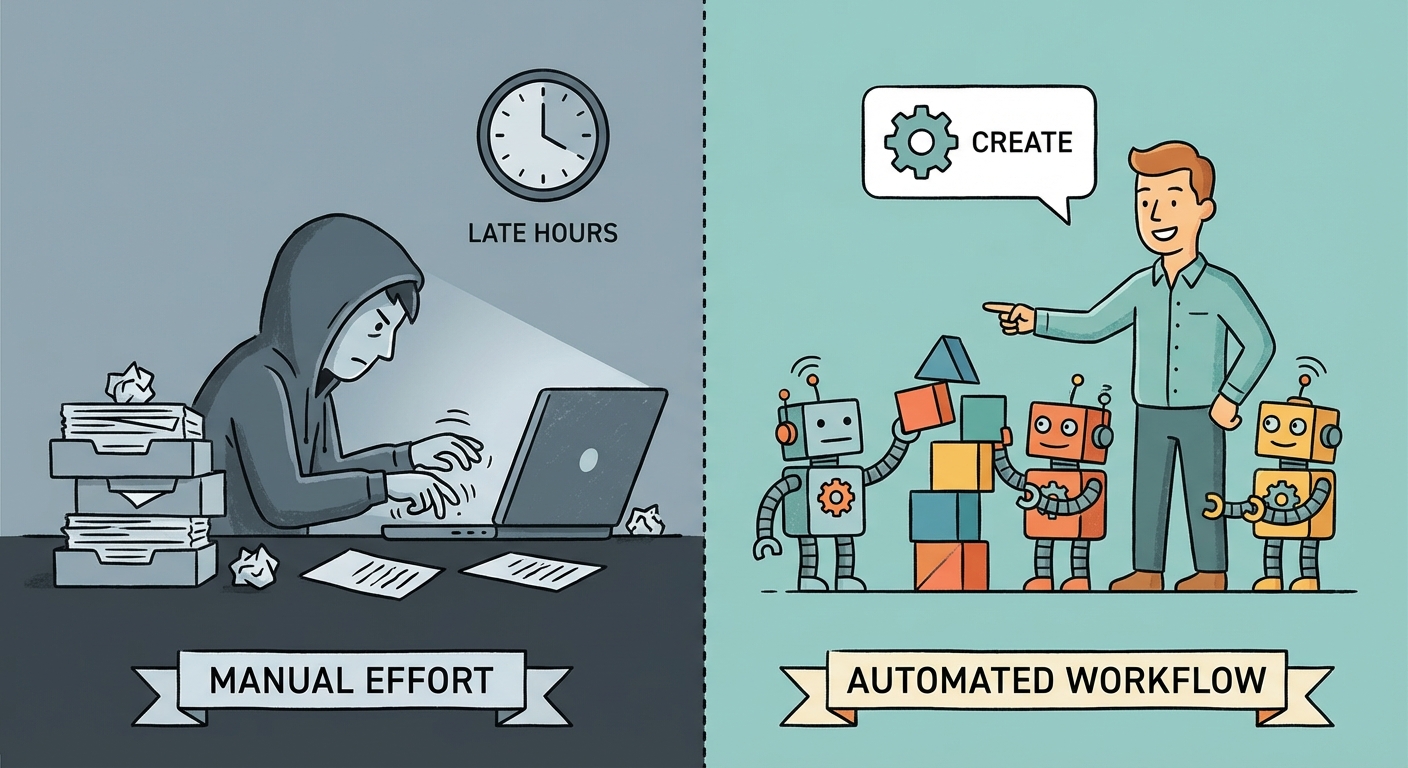
- Automated copy testing: Software to the rescue! It's like sending your ads out to a bunch of people and getting feedback super fast. You don't get all the nuanced qualitative feedback that focus groups provide, or the emotional reactions that can be observed in person, but you get speed, which is a big deal these days.
- a/b testing: This is pitting two versions of your ad against each other to see which one performs better. It's often used with automated testing, and it's a pretty solid way to see what works.
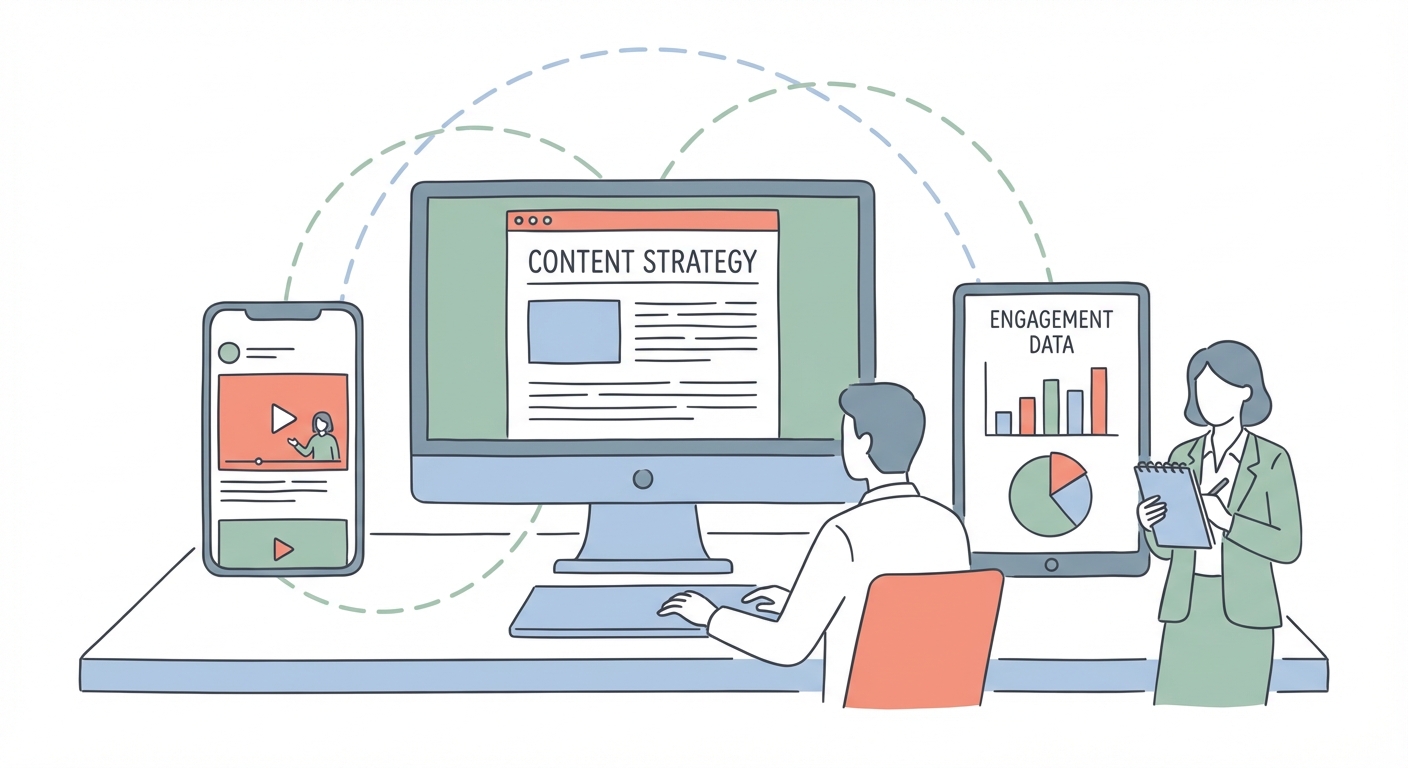
- Digital analytics: Tracking everything online. Clicks, views, how long people stare at your ad – you name it. It's all about the data, baby.
So, that's the lowdown on old-school versus new-school copy testing. It's a mix of art and science, really. Next up, we'll be diving into some real-world examples of how all this stuff works.
Making Copy Testing Work: Strategies That Actually Deliver
So, you want to make copy testing really work, huh? It's not just about blindly following steps – it's about strategizing. Think of it as detective work, but for your ads.
What are you actually trying to achieve? Don't just say "more clicks." Get specific.
- Make sure your objectives are specific, measurable, and aligned with your overall business goals. If you don't know what you're trying to achieve, how will you know if it worked?
- For example, instead of "increase engagement," aim to "increase click-through rate by 15% among 25-34 year olds" on your new social media campaign.
Not all copy-testing methods are created equal. Using eye-tracking software to test the audio quality of a radio ad? Utterly pointless.
- Match your methods to your objectives. You want to know if the visual elements of your ad are effective? Then, sure, eye-tracking can be useful. If you want to know if the ad is driving sales, well then, sales tests is the way to go.
- Mix qualitative and quantitative data. Numbers tell you what happened, but qualitative feedback tells you why. surveys are great for getting both at scale.
Okay, so you've run your tests. Now, it's time to roll up your sleeves and get to work.
- Look beyond the surface. Don't just look at the numbers, ask "why?". If your click-through rate is low, dig into why people aren't clicking. Is the copy confusing? Is the offer not compelling?
- Consider the context. What's happening in the market? What are your competitors doing? How are those trends affecting your results?
- Create actionable recommendations. What steps can you take based on your findings? Don't just say "the copy needs improvement" Specify what needs to be improved.
Once you've nailed these strategies, it's time to look at some examples.
Common Copy Testing Problems (and How to Solve 'Em)
Okay, so you're running copy tests, but things are going sideways? It happens, trust me. It's not as simple as just throwing some ads out there and seeing what sticks.
- Time and Budget Crunch: Yeah, everyone's feeling that squeeze. Focus on testing the big stuff, like headlines and calls-to-action. To identify the most critical elements, consider which parts of the copy have the biggest impact on conversion or are most crucial at the current stage of the marketing funnel.
- Getting a Real Sample: You need real people, not just your mom and your coworkers. Social media targeting can help you narrow down your audience, and targeted online panels are, helpful too.
- Avoiding Bias: This is tough, but important. Don't lead the witness! Use neutral language in your surveys and randomize the questions.
So, what's next? Let's talk about how to actually make this stuff work, alright?
The Crystal Ball: What's Next for Copy Testing?
Okay, so what's the deal with copy testing in the future? Well, it's not gonna be your grandma's focus group, that's for sure. Think of it as turning into something way more sci-fi.
- Imagine ai predicting how your ad will do before it even launches. No more guessing if your joke lands flat!
- nlp will help understand the subtleties of language. It's like having a super-smart linguist making sure your message isn't lost in translation.
- a/b testing will become automated, constantly tweaking ads to get the best results.
It's like having a marketing team that never sleeps. Will it be perfect? Nah, ai still has some quirks, like difficulty understanding nuanced human emotion or cultural context, and it can sometimes generate generic copy if not guided properly, but it's getting there.